Warming Up Your Car in Winter Doesn't Do What You Think It Does
Warming Up Your Car in Winter Doesn't Do What You Think It Does
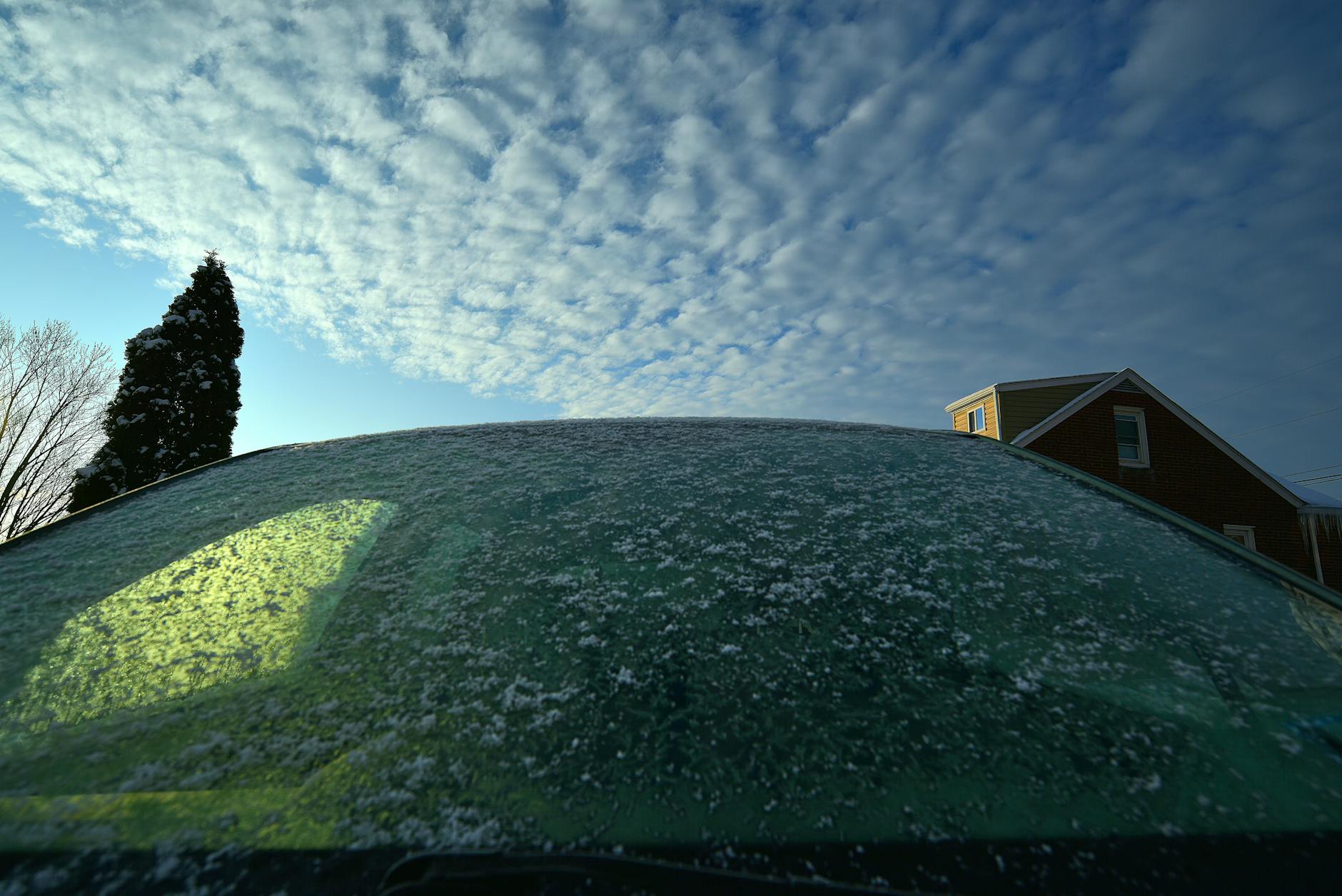
Every winter, millions of Americans walk outside, start their car, and head back inside to finish their coffee. It's a ritual as familiar as scraping frost off the windshield — and it feels responsible, even thoughtful. You're taking care of your engine. Letting it ease into the cold before asking anything of it.
The habit is well-intentioned. It's also largely unnecessary, and in some cases, actively counterproductive.
Where the Habit Came From
This one has a legitimate origin story. For most of automotive history, cars used carbureted engines — systems that mixed air and fuel mechanically, without the benefit of electronic sensors or computer controls. In cold weather, carburetors struggled. The fuel didn't vaporize well, the mixture ran lean, and the engine needed time at idle to stabilize before it could handle normal driving demands.
For those engines, warming up wasn't optional. It was how the car worked.
But carburetors largely disappeared from American passenger vehicles by the late 1980s, replaced by fuel injection systems that are electronically managed and far more adaptable to temperature changes. A modern fuel-injected engine — which is every new car sold in the US today — automatically adjusts its fuel mixture based on real-time sensor data. It compensates for cold temperatures almost instantly, without needing a warm-up period to find its footing.
The ritual stayed even after the reason for it left.
What Cold Weather Actually Does to Your Engine
Here's what's actually happening when you start a cold engine: the oil is thicker than normal, which means it takes a few seconds longer to circulate fully. Metal components are contracted slightly from the cold and need to expand to their operating tolerances. And yes, the engine runs slightly rich at first — burning a bit more fuel than it would at operating temperature.
All of this resolves faster when the engine is under light load than when it's sitting at idle. According to engineers and automotive researchers, the most effective way to warm up a modern engine is to start it and drive gently for the first few minutes — keeping RPMs low, avoiding hard acceleration, and giving the system a chance to reach operating temperature naturally.
Idling in the driveway for 10 minutes accomplishes less than two minutes of gentle driving. The engine warms up more slowly at idle, which means it spends more time running in that slightly inefficient cold-start mode. Meanwhile, you're burning fuel and adding wear without going anywhere.
The Real Cold-Weather Problems Worth Your Attention
If extended idling isn't the answer, what should cold-weather drivers actually be watching?
Tire pressure is one of the most overlooked seasonal issues. For roughly every 10-degree drop in ambient temperature, tires lose about 1 PSI of pressure. A tire that was properly inflated in October can be noticeably underinflated by January without anyone touching it. Underinflated tires reduce handling, increase stopping distances, and wear unevenly. Checking pressure on cold mornings — before driving, not after — takes two minutes and makes a genuine difference.
Battery health becomes critical in winter. Cold temperatures slow the chemical reactions inside a battery, reducing its ability to deliver starting current. A battery that's been marginal all year might fail on the first genuinely cold morning. If your battery is more than three or four years old and you live in a cold climate, getting it tested before winter is one of the more practical things you can do for your vehicle.
Windshield defogging is a legitimate reason to let the car run briefly — but that's about cabin climate, not engine health. Running the defroster for a minute or two before driving is sensible. Letting the car idle for 15 minutes because you heard it's good for the engine is a different thing entirely.
Wiper blades and washer fluid are easy to overlook until you're on a highway with road spray coating your windshield. Summer washer fluid can freeze in the lines and on the glass in cold temperatures. Winter-rated fluid and fresh wiper blades are small investments that matter when you actually need them.
The Environmental and Practical Downside of Long Idles
Extended idling has real costs beyond the engine myth. Most states have anti-idling regulations of some kind, though enforcement varies widely. Beyond legality, you're burning fuel without moving — which adds up over a winter season.
More practically, a cold engine running at idle produces more incomplete combustion than one that's warmed up under load. That means more carbon buildup over time, which can affect injectors, valves, and other components. The very ritual meant to protect the engine can, over years, contribute to the kind of deposits that cause long-term issues.
For drivers of plug-in hybrids or electric vehicles, the calculus is slightly different — cabin preconditioning while plugged in is genuinely useful, since it warms the battery and interior without drawing down range. But for conventional gas-powered vehicles, the long idle serves almost no mechanical purpose.
What Your Parents Got Right (And What They Got Wrong)
The people who taught you to warm up your car weren't wrong for their time. They learned on different machines, and the advice made sense for those machines. The problem is that car technology moved on while the cultural habit didn't.
It's a pattern that shows up throughout automotive advice. Oil change intervals of 3,000 miles were once reasonable — modern synthetic oils and tighter engine tolerances have pushed that to 5,000–10,000 miles or more for most vehicles. The advice persisted long after the underlying conditions changed.
Cold-weather engine idling is the same story. The machines changed. The advice didn't.
The Takeaway
On a cold morning, start your car, take 30 seconds to clear your windows and mirrors, and then drive gently for the first few miles. That's it. Your engine will warm up faster, run more efficiently, and accumulate less carbon than it would sitting in the driveway burning fuel.
The ritual feels responsible. But what actually protects a modern engine is driving it the way it was designed to be driven — not leaving it idling in the cold while you pour a second cup of coffee.