The Free Oil Change They Handed You at Closing Was Already Built Into Your Deal
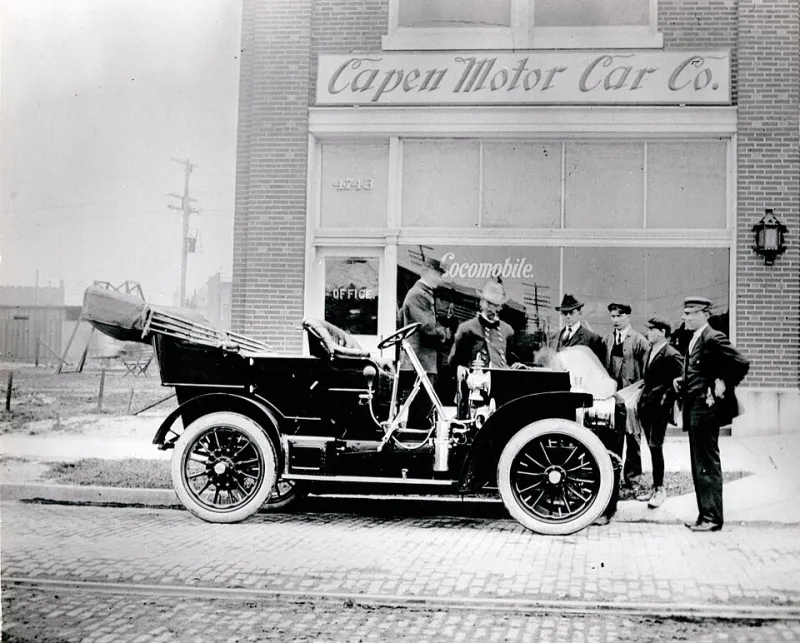
Photo: Unknown authorUnknown author, Public domain, via Wikimedia Commons
There's a moment in almost every car-buying experience that feels genuinely good. You've spent hours negotiating, you're mentally exhausted, and right as the finance manager is wrapping things up, they push a little folder across the desk. Inside: a card for complimentary oil changes. Maybe a few tire rotations. Sometimes even a coupon for a free car wash every month for a year.
It feels like a parting gift. A thank-you. A sign that the dealership actually values your business.
It's none of those things.
The Offer Arrives at Exactly the Right Moment
Timing is everything in sales psychology, and dealerships have spent decades perfecting it. By the time that maintenance packet shows up, you've already agreed to a price, signed a financing contract, and mentally committed to the vehicle. You're in what behavioral economists call a "post-decision rationalization" state — your brain is actively looking for reasons to feel good about what you just did.
Dropping a "free" service offer into that moment is almost unfair in how well it works. It reframes the entire transaction. Suddenly, you're not just a person who spent $38,000 on a car. You're a person who spent $38,000 and also got free oil changes for two years. That feels different, even though the math is identical.
The offer isn't separate from the deal. It is the deal — or at least, a pre-planned piece of it.
Where the Money Actually Comes From
Dealerships aren't charities, and complimentary service programs aren't funded by goodwill. The cost of those oil changes — typically somewhere between $40 and $90 per visit, depending on your vehicle — gets absorbed into the dealership's margin on the sale. That margin was negotiated before the service card ever left the drawer.
Here's how it plays out in practice: a dealer knows their floor cost on a vehicle and has a target gross profit in mind. When you negotiate the sticker price down, you're eating into that gross. But dealers have multiple levers — the vehicle price, the trade-in value, the financing rate, the add-ons, and yes, the perceived value of complimentary services. Every dollar they give back through a "free" oil change is a dollar they've already accounted for somewhere else in the transaction.
Some dealerships even use certified pre-owned or manufacturer-backed maintenance programs to sweeten deals that didn't close on price alone. The pitch is essentially: "We can't go lower on the car, but we can throw in three years of oil changes." What they're not saying is that those oil changes cost them a fraction of what they'd cost you to walk in off the street — and the margin they protected on the vehicle price far exceeds that expense.
The Loyalty Trap Nobody Talks About
There's a secondary benefit to these programs that's easy to miss: they get you back in the building.
Every time you return to redeem a free oil change, you're walking through a service department that's set up to find additional work. Cabin air filters. Brake fluid flushes. Wiper blades. Alignment checks. The oil change is essentially a loss-leader that brings a warm, familiar customer into an environment designed to generate upsell revenue.
This is not accidental. Service departments are often the most consistently profitable part of a dealership's operation, especially as vehicle sales margins have compressed over the years. Getting you through the door — at no psychological cost to you, since you're just redeeming something "free" — is enormously valuable. Studies on consumer behavior consistently show that people who return to a dealership for service are significantly more likely to buy their next car there too.
The complimentary oil change isn't just a thank-you. It's the beginning of a long-term retention strategy.
Why It Feels Real Even When You Know Better
Here's the uncomfortable part: even if you understand all of this intellectually, the offer still works. That's because the feeling of getting something for free is processed differently than the feeling of saving money on a price negotiation. They're both forms of financial benefit, but one triggers a reward response in the brain that the other simply doesn't.
Dealers know this. The complimentary service packet is specifically designed to deliver that emotional payoff at a moment when your defenses are down and your desire to feel good about the purchase is at its highest.
If the same dollar value had been knocked off the vehicle price upfront, you'd have nodded, signed, and moved on. Presented as a "gift" at the end? It lingers. You remember it. You tell people about it.
The Takeaway
None of this means you should reject the oil changes or feel foolish for appreciating them. Free service is still free service, and using what you've been offered is just smart. But understanding where these perks come from changes how you evaluate a deal.
Next time a dealership offers you a complimentary maintenance package, treat it the same way you'd treat any other line item — ask what it's worth, factor it into the total, and don't let it substitute for a conversation about the actual purchase price. The envelope feels like a bonus. In reality, it's just the last move in a negotiation that was never really over.