That Hidden Filter in Your Dashboard Is Probably Clogged — And It's Making Every Drive Less Comfortable
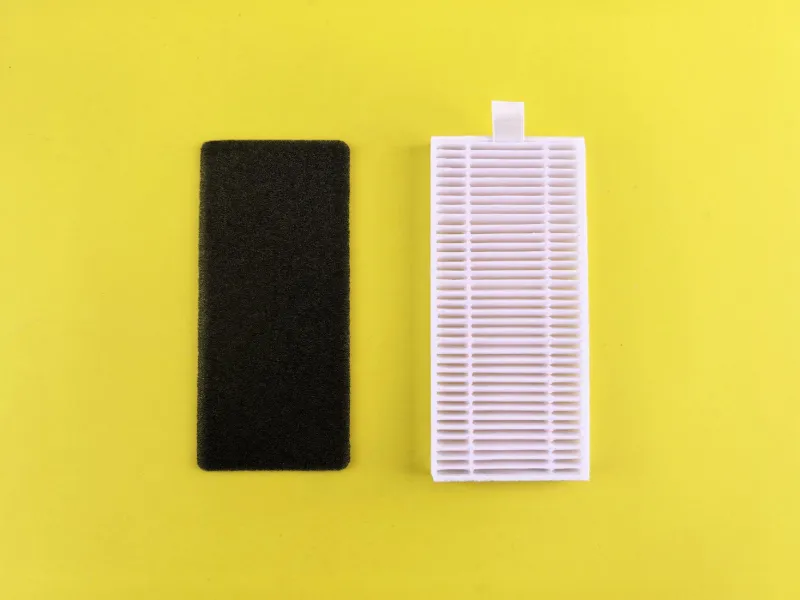
The Filter You Never Knew You Had
Pop quiz: How many air filters does your car have? If you answered "one," you're probably thinking of the engine air filter under the hood. But chances are, you're wrong by at least one — and possibly missing the filter that affects you most during every single drive.
Hidden somewhere behind your dashboard, usually tucked away near the glove compartment or under the hood close to the windshield, sits your cabin air filter. It's been quietly doing its job since you drove off the lot, and if you're like most drivers, it's been slowly failing at that job for months or even years.
What Your Cabin Air Filter Actually Does
Think of your cabin air filter as the lungs of your car's ventilation system. Every time you turn on the heat, air conditioning, or even just the fan, outside air gets sucked through this filter before it reaches your face. Its job is straightforward: trap dust, pollen, exhaust particles, and other airborne debris before they enter your breathing space.
When it's working properly, you don't notice it — which is exactly the point. Clean, filtered air flows freely through your vents, your AC cools efficiently, and seasonal allergies don't get worse every time you get in your car.
But here's where things get interesting: most cabin air filters are designed to be replaced every 12,000 to 15,000 miles, or roughly once a year. That's more frequent than most oil changes on modern cars, yet it's the maintenance item most drivers completely forget about.
The Slow Decline You Don't Notice
A clogged cabin air filter doesn't fail dramatically. There's no warning light, no grinding noise, no obvious sign that something's wrong. Instead, it degrades gradually, and your driving experience degrades with it.
First, your air conditioning starts working harder to push air through the increasingly blocked filter. You might notice the AC doesn't seem as cold as it used to be, or the fan sounds like it's working overtime. Your fuel economy might even take a small hit as the AC compressor works harder.
Then comes the air quality issue. Dust that would normally be caught starts circulating through your car. If you have allergies, you might notice they're worse during your commute. The air inside your car might start feeling stale or musty, especially when you first turn on the ventilation system.
Why This Problem Stays Hidden
So why don't more drivers know about cabin air filters? The answer reveals something interesting about how car maintenance has evolved.
First, cabin air filters are relatively new. They didn't become standard until the 1990s, and many older mechanics and car enthusiasts grew up without them. Unlike engine air filters, which have been around since cars had engines, cabin filters feel optional to many people.
Second, they're often physically hidden. While your engine air filter usually lives in a prominent black box under the hood, cabin air filters are tucked away in hard-to-reach places. Some require removing the glove compartment to access. Others hide behind panels under the hood. Out of sight, out of mind.
Third, the automotive service industry doesn't prioritize them consistently. Quick-lube shops focus on oil changes. Tire shops focus on tires. Even dealerships often treat cabin air filter replacement as an add-on service rather than essential maintenance, partly because the consequences of skipping it aren't immediately obvious.
The Real Cost of Neglect
Ignoring your cabin air filter costs more than just comfort. A severely clogged filter forces your HVAC system to work harder, potentially shortening the life of expensive components like the blower motor. In extreme cases, restricted airflow can cause the evaporator coil to freeze up, leading to costly AC repairs.
There's also the health angle that's often overlooked. Your car's interior air can become more polluted than the outside air, especially in stop-and-go traffic. A functioning cabin air filter is your primary defense against breathing exhaust fumes, road dust, and urban air pollution during your commute.
The Simple Fix Most People Skip
Here's the ironic part: replacing a cabin air filter is often easier and cheaper than changing your engine oil. Most cabin air filters cost between $15 and $30, and many can be swapped out in under 10 minutes with no tools required.
Yet because it's not part of the standard maintenance conversation, millions of drivers are cruising around with filters that look like they've been through a dust storm. Some haven't been changed since the car was new.
Why Automakers Keep It Quiet
Automakers have little incentive to emphasize cabin air filter maintenance. Unlike engine problems, a clogged cabin air filter won't strand you on the roadside or generate warranty claims. It's a comfort and health issue, not a reliability issue.
Dealerships, meanwhile, often treat cabin air filter service as a profit center rather than routine maintenance, charging $50 to $100 for a filter replacement that takes minutes to perform.
The Bottom Line
Your cabin air filter is probably overdue for replacement right now. If you can't remember the last time it was changed — or if you've never heard of it before reading this — there's a good chance it's been silently degrading your driving experience for months.
The next time you're getting routine service, ask to see your cabin air filter. You might be surprised by what's been standing between you and clean air all this time. Or more accurately, what hasn't been standing there at all.