That Little Gas Light Isn't Telling You What You Think It Is
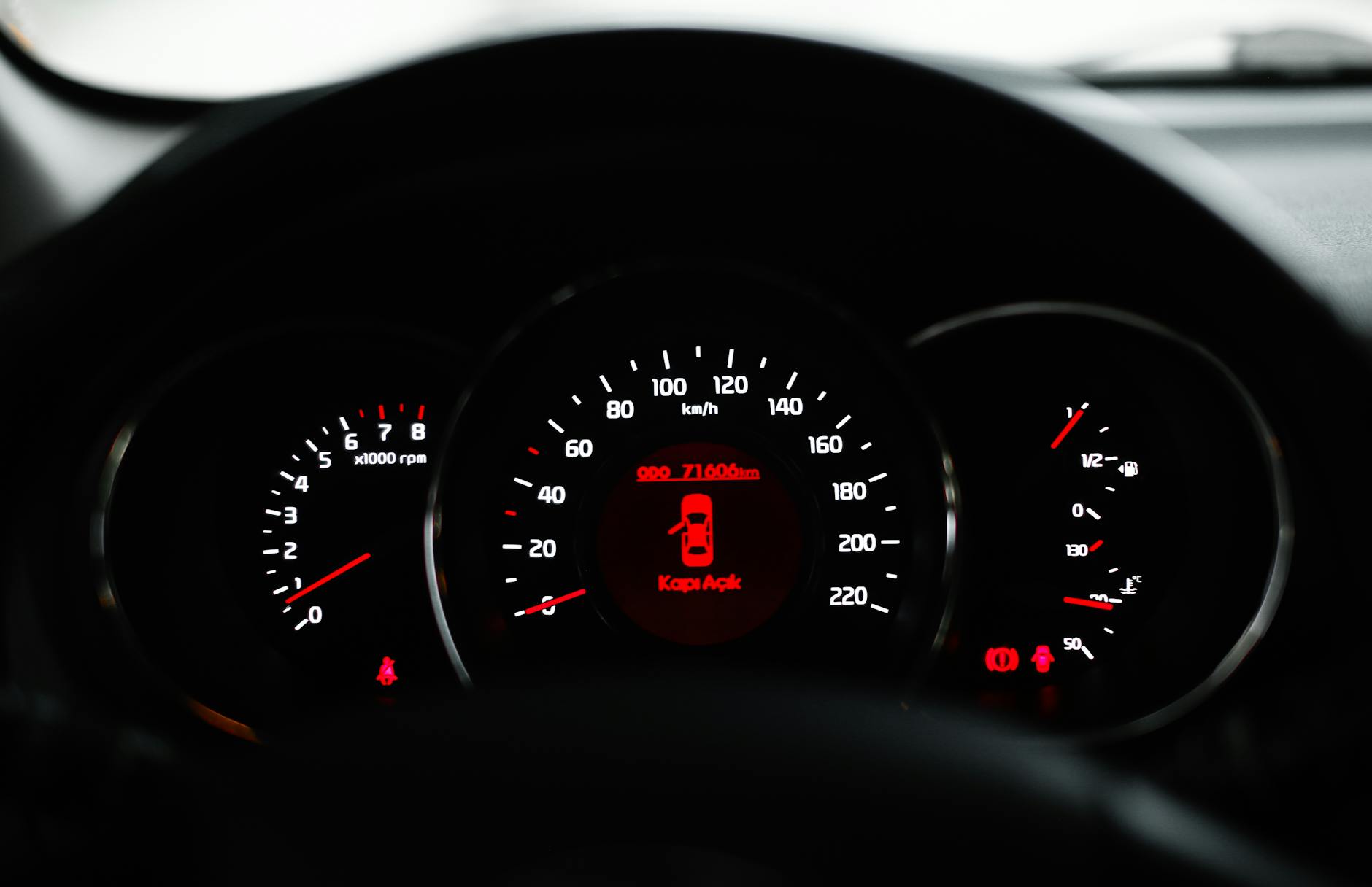
The Panic That Doesn't Need to Happen
You're cruising down the highway, music on, mind elsewhere, and then it appears — that little amber fuel pump symbol glowing on your dashboard. Suddenly, the only thing you can think about is whether you'll make it to the next exit. You probably slow down, maybe turn off the AC, and start calculating distances in your head.
Here's the thing: you almost definitely have more gas left than you think.
The low fuel warning light in most modern vehicles does not mean your tank is empty. It doesn't even mean you're close to empty in any emergency sense of the word. What it actually signals is that your fuel level has dropped below a pre-set threshold — one that engineers deliberately built in with a meaningful cushion still remaining.
How Much Gas Is Actually Left?
The exact amount varies by vehicle, but across most cars and trucks sold in the United States, triggering the low fuel light still leaves somewhere between 30 and 50 miles of range in the tank. Some larger vehicles — particularly full-size trucks and SUVs — have even more buffer built in. A Ford F-150, for example, typically has around 1.5 to 2 gallons remaining when the light activates. A Honda Civic might have slightly less in raw gallons, but its fuel efficiency means the mileage cushion is comparable.
Automakers design this buffer intentionally. The sensor that triggers the warning is calibrated to trip at a set fuel level — usually somewhere between one-eighth and one-quarter of a tank — giving drivers a reasonable window to find a station without engineering a crisis. It's a safeguard, not a countdown.
Websites like TankOnEmpty.com have even crowdsourced real-world data from drivers who pushed past the warning light, logging how many miles they drove before actually running out. The results consistently show that the average buffer across hundreds of vehicle models is well over 30 miles.
So Why Does Everyone Treat It Like a Five-Alarm Emergency?
Part of it is just human psychology. Dashboard warning lights are designed to get your attention — and they do. The visual and sometimes auditory alert triggers an instinctive response, which is probably the point. Automakers want you to take action, not shrug and forget about it for three days.
But somewhere along the way, "take action soon" got translated into "pull over immediately." That leap isn't supported by how the system actually works.
There's also a generational element. Older vehicles — think pre-1980s — had much less sophisticated fuel monitoring systems, and running genuinely dry was a more common experience. That cultural memory stuck around even as the technology improved significantly.
The Part Where Ignoring It Actually Can Hurt Your Car
Now, here's where the story gets a little more nuanced — because while you're not in immediate danger when the light first comes on, habitually running your tank down to fumes is a different matter.
In most modern fuel-injected vehicles, the electric fuel pump is mounted inside the gas tank and relies on the surrounding fuel to keep it cool. Gasoline acts as both a lubricant and a coolant for the pump mechanism. When you regularly drive on a nearly empty tank, that pump is working harder with less insulation from heat. Over time, this can accelerate wear on the pump and lead to premature failure — a repair that typically runs between $400 and $900 at a shop.
There's also the matter of sediment. Dirt, rust particles, and debris naturally settle at the bottom of a fuel tank over time. Driving consistently on low fuel means your pump is drawing from that sediment-rich layer more often, which can clog fuel filters and, eventually, the injectors themselves.
So the low fuel light isn't a crisis signal — but it's also not something worth ignoring for days at a time.
The Practical Takeaway
If the light comes on and you're 15 miles from the nearest station, you're almost certainly fine. If it's been on for two days and you keep telling yourself you'll fill up tomorrow, you're not doing your fuel pump any favors.
The buffer exists for genuine convenience — for those moments when you're on a rural stretch of highway or just need a few more miles to reach a cheaper station. Use it as intended: as breathing room, not a lifestyle.
Knowing your specific vehicle's buffer is worth a quick search. Most automakers publish fuel system specs, and owner forums often have real-world data for your exact make and model. A little awareness goes a long way toward replacing that white-knuckle panic with something more like calm, informed decision-making.
Your car is smarter than the anxiety it sometimes causes.