The 'Premium' Materials in Your Luxury Trim Package Might Be Worth Less Than What They Replaced
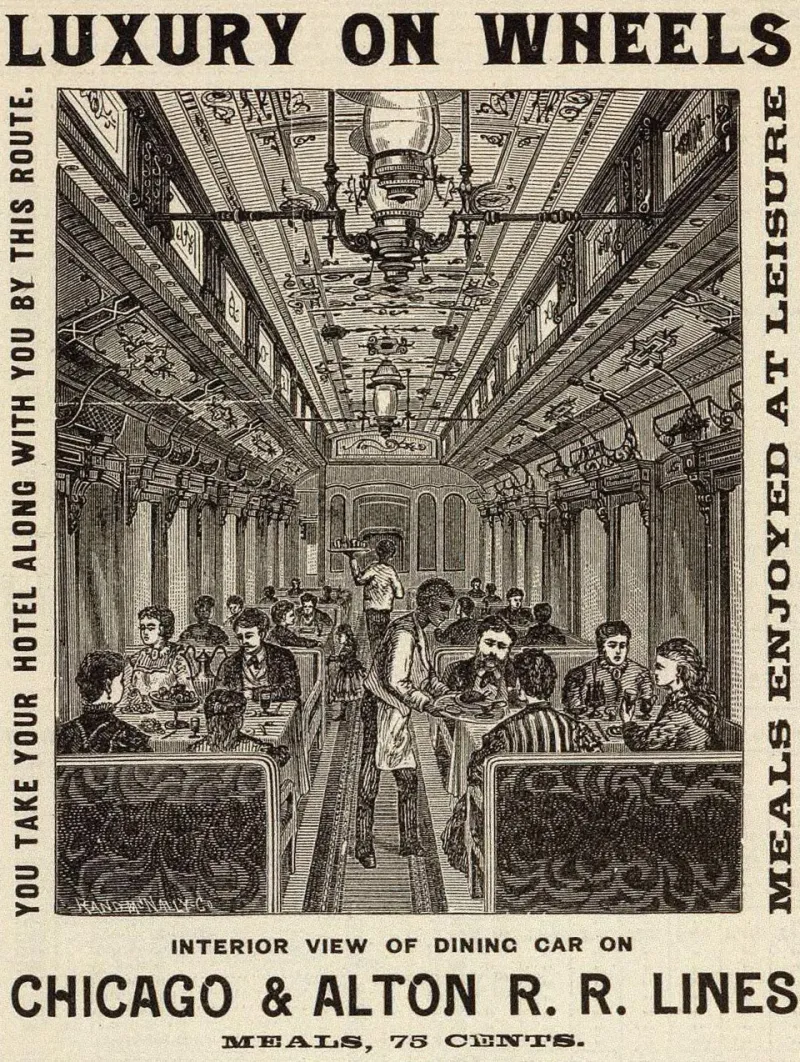
Photo: Unknown, Public domain, via Wikimedia Commons
It Sounds Better Than It Is
The brochure language for modern premium car interiors reads like a boutique hotel menu. "Milano leather." "Dinamica microsuede." "Piano black accents." "Open-pore wood trim." It all sounds intentional, curated, expensive.
Some of it is. A lot of it isn't.
As automakers have leaned harder into premium positioning — offering more trim levels, more packages, more "exclusive" interior options — the materials filling those cabins have quietly shifted. What looks and sounds luxurious in a showroom under carefully controlled lighting doesn't always hold up to the scrutiny of daily use, and the terminology used to describe these materials has become sophisticated enough that most buyers can't tell the difference until well after the sale.
The Rise of Materials With Impressive Names
Take "vegan leather," which has become a selling point across multiple brands, from Tesla to BMW to Volvo. The term carries connotations of quality and ethical consciousness. But vegan leather is, in almost every automotive application, a polyurethane or PVC-based synthetic — which is to say, a form of plastic.
This isn't inherently a problem. Some synthetic materials are genuinely durable and well-engineered. But the issue is what replaced what. Traditional genuine leather, for all its quirks, is a material that breathes, develops a patina over time, and has decades of performance data behind it. Many synthetic alternatives are cheaper to produce, easier to clean in a factory, and simpler to apply consistently across high production volumes.
When a manufacturer removes genuine leather from a trim level and replaces it with a branded synthetic — then markets that synthetic as a premium upgrade — the cost savings are flowing in one direction, and it isn't toward the buyer.
Faux Carbon Fiber and the Illusion of Performance
Carbon fiber trim is another example worth unpacking. Real carbon fiber is extraordinarily expensive to produce. It's used in actual performance and racing applications because it's genuinely lighter and stronger than most alternatives. In a $45,000 sedan, the "carbon fiber" trim on the center console is almost certainly a plastic panel with a carbon fiber pattern printed or laminated onto the surface.
It's not structural. It doesn't save weight. It doesn't improve anything. It looks like carbon fiber under showroom lighting, which is precisely the point. The visual association with high-performance materials does real psychological work on buyers, and it costs the manufacturer a fraction of what genuine carbon fiber would.
The same logic applies to faux brushed aluminum, decorative "stitching" that's embossed rather than sewn, and wood trim that's a photographic veneer applied over plastic backing.
Why the Showroom Is Designed to Make This Work
Dealerships are not neutral environments. The lighting is warm and flattering. The cars are freshly detailed. You're typically sitting in the vehicle for minutes, not hours, and you're comparing it to other cars in the same lot rather than to the materials you'll be living with for the next seven years.
Under those conditions, a well-executed synthetic surface can feel indistinguishable from something more expensive. The texture, the sheen, the smell — all of these can be engineered to hit the right sensory notes in a brief showroom interaction. What they can't always replicate is durability.
Peeling synthetic leather, cracking piano black trim that shows every fingerprint and scratch, and fading microsuede bolsters are recurring complaints in long-term ownership reviews for vehicles that were marketed as premium products. The materials looked the part. They just didn't last.
The Trim Level Game
There's also a structural incentive built into how automakers design their trim ladders. The base model exists partly to make the premium package feel like an upgrade. When you move from a cloth interior to something called "SensaTec" or "SofTex" or "Nappa-style" upholstery, you're experiencing a genuine sensory improvement over what you're comparing it to in that moment.
But that comparison is curated. The question worth asking is: compared to what a similar dollar amount would have bought you ten years ago — or what a competitor offers at the same price point — is this actually better material? In many cases, the honest answer is no. It's more sophisticated-looking material, which is a different thing entirely.
What Actually Holds Up
If durability matters to you more than aesthetics, the research is fairly consistent. Genuine leather, when properly conditioned, outlasts most synthetics in automotive applications. Traditional woven cloth interiors — often associated with base trims — frequently outlast premium synthetic surfaces in terms of wear resistance. Real wood veneers, rare as they're becoming, age differently than plastic-backed alternatives.
None of this means every synthetic material is inferior. Some manufacturers produce genuinely impressive engineered surfaces. But the way to evaluate them isn't through brochure language — it's through long-term ownership forums, independent durability testing, and the kind of skepticism that the showroom experience is specifically designed to discourage.
The Takeaway
Premium trim language in modern cars is a marketing layer as much as it's a material description. "Vegan leather" and "synthetic suede" can mean durable, well-engineered surfaces — or they can mean cost-reduced alternatives dressed up in aspirational vocabulary. The showroom won't tell you which one you're getting. That answer lives in long-term reviews, owner forums, and a willingness to ask what, exactly, is under that very nice-sounding name.