The Three-Mirror Rule Everyone Gets Wrong
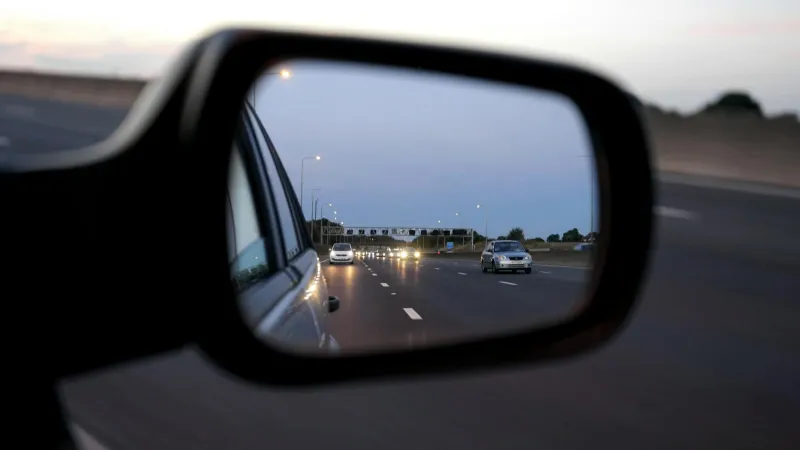
If you learned to drive in the United States, chances are you were taught to adjust your side mirrors so you can see a sliver of your own car in each one. This technique, still standard in many driver education programs, dates back decades to when cars had different proportions and smaller mirrors. What most drivers don't realize is that this traditional setup actually creates blind spots where none need to exist.
The conventional wisdom suggests that seeing part of your vehicle in the side mirrors helps with spatial awareness. In reality, this overlap between your rearview mirror and side mirrors creates redundant coverage of the area directly behind you while leaving dangerous gaps on either side.
Where Your Real Blind Spots Actually Live
True blind spots aren't fixed zones that exist in the same place for every vehicle. They shift based on three critical factors: your seating position, how you've adjusted your mirrors, and the specific geometry of your car. A properly adjusted mirror system can eliminate traditional blind spots almost entirely for most passenger vehicles.
The Society of Automotive Engineers has studied optimal mirror positioning for decades. Their research shows that when side mirrors are adjusted to just barely eliminate your own vehicle from view, they create a seamless transition of coverage from your rearview mirror to your peripheral vision. This technique, sometimes called the "BGE method" (named after engineers at Platzer and Katz), leaves virtually no gaps in your field of view.
Why the Old Method Persists
The overlap method continues to be taught for several reasons, none of them particularly good. Many driving instructors learned this technique themselves and simply pass it along without questioning its effectiveness. Insurance companies and defensive driving courses often promote conservative approaches that feel safer, even when they're not actually optimal.
There's also a psychological comfort factor. Seeing your own car in the side mirrors provides a reference point that feels more secure than trusting mirrors that show only other vehicles and road surfaces. This emotional preference for familiar techniques often overrides practical considerations about actual safety.
The Geometry of Modern Vehicles
Today's cars are fundamentally different from the vehicles that influenced traditional mirror adjustment techniques. Modern sedans, SUVs, and trucks have larger mirrors, different window shapes, and varied seating positions compared to the cars of the 1970s and 1980s when many current techniques were standardized.
Larger vehicles like pickup trucks and SUVs create different blind spot patterns than sedans. The higher seating position changes sight lines, while longer wheelbases affect the angles at which other vehicles disappear from view. A mirror setup that works for a compact car may leave dangerous gaps when applied to a full-size truck.
Testing Your Current Setup
You can evaluate your mirror adjustment with a simple parking lot test. Have someone walk around your stationary vehicle while you sit in the driver's seat. With properly adjusted mirrors, the person should transition smoothly from your rearview mirror to your side mirrors to your peripheral vision without ever completely disappearing.
Most drivers discover significant gaps in their coverage during this test. The most dangerous zone typically appears when another vehicle is passing on either side—exactly when accurate awareness matters most for safe lane changes.
The Right Way to Adjust Your Mirrors
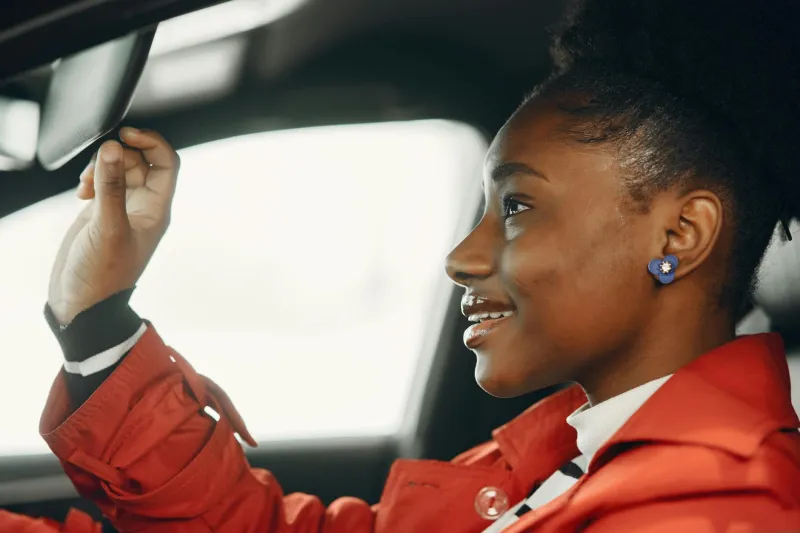
Proper mirror positioning starts with your seating position. Adjust your seat and steering wheel first, then work on the mirrors. Your rearview mirror should frame the entire rear window. For side mirrors, lean your head against the driver's side window and adjust the left mirror until you just barely can't see your own car. Lean to the center of the vehicle and adjust the right mirror the same way.
This setup feels strange initially because you lose that familiar reference point of seeing your own vehicle. However, it provides significantly better coverage of the areas where other vehicles actually travel. The psychological adjustment period typically lasts a few days, after which most drivers report feeling much more confident about lane changes and merging.
What This Means for Your Daily Driving
The blind spots most drivers worry about—those zones on either side where cars supposedly "hide"—are largely created by improper mirror adjustment. Modern vehicles with correctly positioned mirrors have minimal true blind spots for normal passenger cars and light trucks.
Understanding this changes how you approach defensive driving techniques like the shoulder check. While still a good practice, the dramatic head turns many drivers perform are compensating for gaps that don't need to exist. With proper mirror coverage, a quick glance is usually sufficient to confirm what your mirrors are already showing you.
The next time you're in a parking lot, try the walking test with your current mirror setup. You might discover that the blind spots you've been working around for years are actually blind spots you've been creating.