That Intoxicating New Car Scent Is Actually Dozens of Chemicals Evaporating Around You
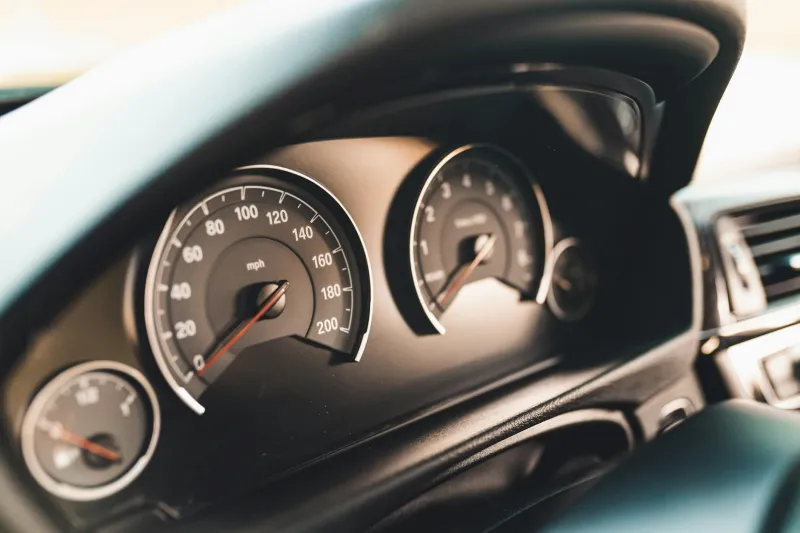
Step into a new car and take that first deep breath. Ah, that smell — the unmistakable aroma of fresh upholstery, clean plastic, and automotive luxury. It's so iconic that companies bottle it as air freshener, and car buyers often cite it as one of their favorite parts of the new car experience.
But here's what's actually happening when you smell that "new car smell": you're inhaling a complex mixture of volatile organic compounds (VOCs) as they slowly evaporate from dozens of different materials inside your vehicle.
In other words, that pleasant scent is actually a chemical cocktail off-gassing directly into your breathing space.
What's Really in That Smell
The new car smell isn't one thing — it's the combined aroma of multiple materials simultaneously releasing chemical compounds into the air. Every interior component contributes something to the mix.
The dashboard and trim pieces release compounds from various plastics and vinyl. The seats emit chemicals from foam padding, fabric treatments, and leather processing. Adhesives used throughout the interior contribute their own distinct chemical signatures. Even the carpet backing and sound deadening materials add to the aromatic blend.
Some of the most common compounds detected in new car interiors include formaldehyde (used in adhesives and foam), toluene (from solvents and plastics), and various phthalates (plasticizers that make materials flexible). The exact mixture varies by manufacturer and model, but the basic process is universal: synthetic materials slowly releasing chemical vapors.
Why It Gets Stronger in Heat
Ever notice how the new car smell intensifies on hot days or after your car has been parked in the sun? That's basic chemistry at work.
Heat accelerates the off-gassing process. As temperatures rise inside your vehicle — which can easily reach 140°F or higher in summer sun — the rate of chemical evaporation increases dramatically. What might be a subtle scent in cool weather becomes an overwhelming aroma in a sun-baked interior.
This is why the smell is most noticeable when you first open the car door after it's been parked outside. You're getting hit with a concentrated dose of accumulated vapors that have been building up in the enclosed space.
UV light from sunlight also breaks down certain materials faster, potentially creating new compounds that weren't originally present in the manufacturing process.
The Health Research Picture
Here's where things get more complicated. While the new car smell might trigger positive associations, research into prolonged exposure to these compounds in enclosed spaces has raised some concerns.
Studies have found that new vehicle interiors can contain elevated levels of various VOCs for months or even years after manufacture. Some of these compounds, in sufficient concentrations or with extended exposure, have been linked to headaches, dizziness, and respiratory irritation in sensitive individuals.
A 2012 study by the Ecology Center tested over 200 vehicles and found that many contained chemicals that are known carcinogens or endocrine disruptors. However — and this is important — the presence of these compounds doesn't automatically mean dangerous exposure levels.
The key factors are concentration, duration of exposure, and individual sensitivity. Sitting in your car for a daily commute is different from working in a chemical manufacturing facility.
The Industry Response
Automakers are well aware of interior air quality concerns and have been working to address them. Many manufacturers now test their vehicles for VOC emissions and have established standards for acceptable levels.
Some companies have reformulated adhesives, changed foam compositions, or modified manufacturing processes to reduce off-gassing. Certain luxury brands even market their efforts to minimize interior chemical emissions as a premium feature.
The challenge is balancing air quality with other requirements. Interior materials need to be durable, attractive, cost-effective, and meet safety standards. Finding formulations that check all these boxes while minimizing chemical emissions isn't always straightforward.
Why We Love a Smell That's Technically Chemical Off-Gassing
The psychology behind our positive reaction to new car smell is fascinating. Despite its chemical origins, most people find the scent pleasant and associate it with positive experiences — new purchases, financial success, cleanliness, and quality.
This association is so strong that it overrides any concerns about what's actually creating the smell. Marketing has reinforced this connection for decades, positioning new car smell as a desirable luxury rather than an industrial byproduct.
It's similar to how we enjoy the smell of gasoline at gas stations, even though we're literally inhaling hydrocarbon vapors. Our brains have learned to associate certain chemical smells with positive concepts.
Practical Reality Check
Before you panic about your car's interior, some perspective is helpful. The levels of chemical compounds in most modern vehicles are generally within acceptable ranges for normal use. Regulatory agencies and manufacturers do monitor these things.
However, if you're particularly sensitive to chemicals, pregnant, or spending many hours daily in a new vehicle, there are simple steps you can take:
Park in shade when possible to reduce heat buildup. Use sunshades to block UV exposure. Ventilate the interior before getting in on hot days. Run the air conditioning with fresh air mode rather than recirculation during the first few months of ownership.
Some people also wipe down interior surfaces with damp cloths to remove surface residues, though this has limited effect on deeper off-gassing.
The Bigger Picture
The new car smell phenomenon illustrates something interesting about modern life: we're surrounded by synthetic materials that are constantly releasing small amounts of chemical compounds into our environment.
This isn't unique to cars. Your furniture, carpet, paint, and countless other household items are doing the same thing. Most of the time, the levels are low enough that they don't pose significant health risks, but it's worth being aware of what's actually happening.
The new car smell you love is real — and so is the fact that it comes from dozens of materials slowly evaporating around you. Whether that changes how you feel about it is entirely up to you.
Next time you slide into a new car and catch that distinctive aroma, you'll know exactly what you're smelling: the complex chemistry of modern manufacturing, packaged in an experience that somehow smells like success.