Premium Gas Isn't Better Gas — It's Just More Expensive Gas
Premium Gas Isn't Better Gas — It's Just More Expensive Gas
Stand at any gas station in America and watch the pump selections for a few minutes. A meaningful number of drivers will reach past regular, skip mid-grade, and land on premium — sometimes without a second thought, sometimes with the quiet confidence of someone who believes they're doing right by their car.
Ask them why, and you'll hear variations on a theme: it burns cleaner. The engine runs smoother. It's better for the long-term health of the motor. It's just... higher quality.
Almost none of that is accurate. And the gap between what people believe about premium fuel and what premium fuel actually is represents one of the most durable — and expensive — misconceptions in American car culture.
What Octane Rating Actually Measures
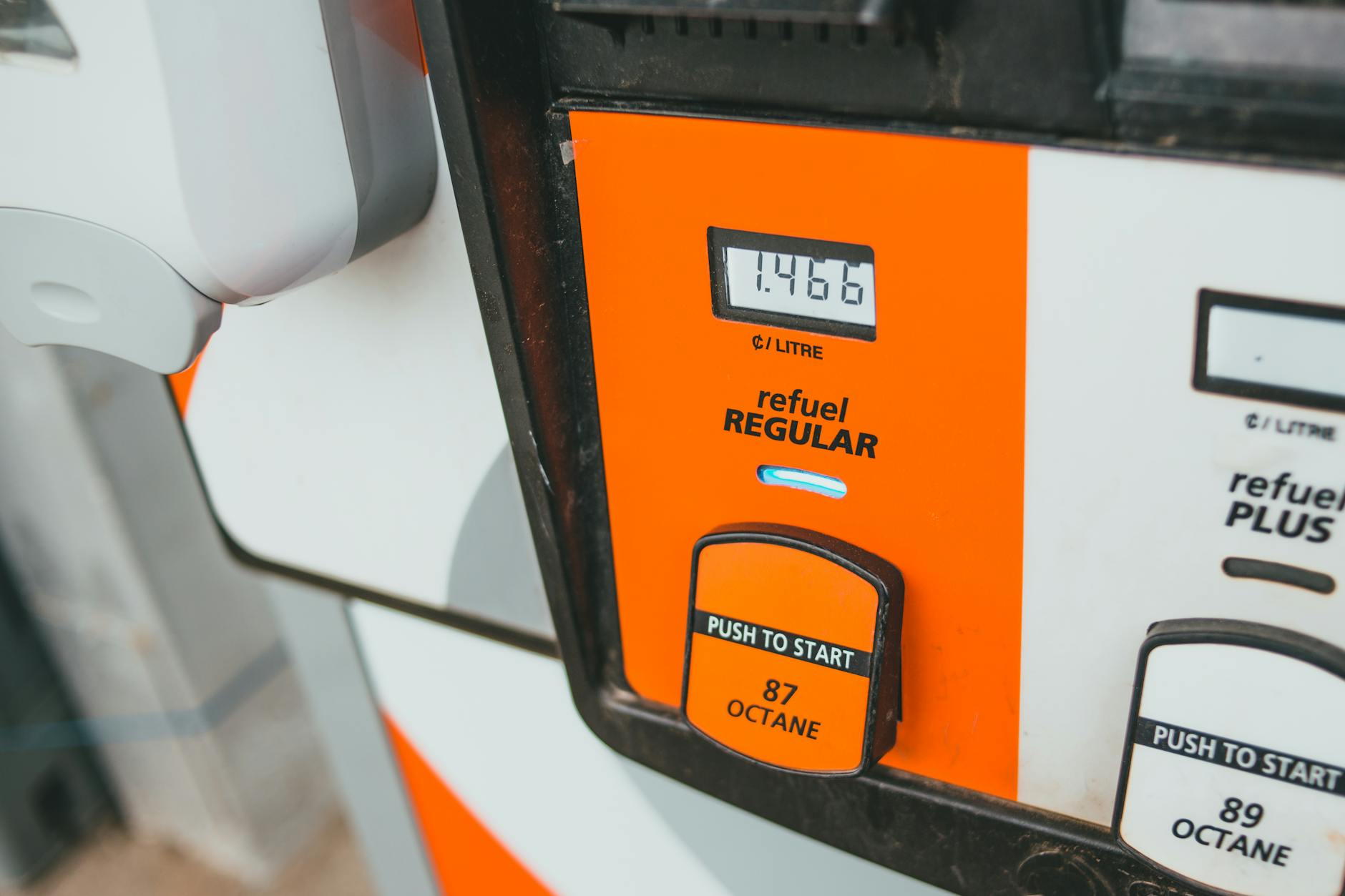
The number on the pump — 87, 89, 91, 93 — is an octane rating. Specifically, it's a measure of the fuel's resistance to pre-ignition, which engineers call knock or ping.
In a gasoline engine, the fuel-air mixture in the cylinder is supposed to ignite at a precise moment — when the spark plug fires. Knock happens when that mixture ignites prematurely, before the spark, due to heat and pressure alone. The result is an uncontrolled mini-explosion that creates a knocking or pinging sound and can, over time, damage engine components.
Higher octane fuel resists that premature ignition. It requires more heat and pressure before it ignites on its own, which gives high-compression and turbocharged engines the headroom they need to operate at their intended performance levels without knock.
That's it. That's the whole story. Octane isn't a measure of energy content, cleanliness, purity, or performance potential. It's specifically and only a measure of knock resistance.
Why It Only Matters in Certain Engines
High-compression engines — found in performance vehicles, many European luxury cars, and most turbocharged engines — generate significantly more heat and cylinder pressure than standard engines. They're tuned to extract maximum power from each combustion cycle, and that tuning pushes conditions closer to the threshold where knock becomes a risk.
For those engines, premium fuel isn't a luxury — it's a functional requirement. Running regular in a BMW M-series, a Corvette, or a turbocharged Audi that specifies premium isn't being thrifty. It's potentially causing real damage, or at minimum forcing the engine's knock sensors to continuously retard timing in ways that reduce performance and efficiency.
But the average American sedan — a Toyota Camry, a Honda Accord, a Ford F-150 with a standard V6 — operates at compression ratios that regular 87-octane fuel handles without issue. There's no knock risk. There's no performance ceiling being bumped against. The engine has no mechanism by which premium fuel would produce more power, burn more completely, or extend its service life.
The fuel is simply passing through a system that wasn't designed to take advantage of its one distinguishing property.
How the Pump Became a Status Signal
If premium fuel offers no benefit in standard engines, why do so many people choose it? The answer has less to do with chemistry and more to do with how fuel has been marketed over the past several decades.
Oil companies have long leaned into language that frames premium as the superior product — not just technically, but aspirationally. The word "premium" itself carries connotations that have nothing to do with octane. Premium seats on a flight. Premium ingredients. Premium membership. The branding does quiet work on consumer perception that the technical label never intended.
There's also the logic of precaution. If you've spent $35,000 or $50,000 on a vehicle, spending an extra 30 to 50 cents per gallon feels like cheap insurance. It seems like the responsible choice, the way choosing the more expensive option often does when the stakes feel high. This is especially true among drivers of luxury or near-luxury vehicles, where premium fuel use has become a cultural default regardless of what the owner's manual actually specifies.
And then there's the feedback problem: if you run premium in a car that doesn't need it, nothing visibly improves. But nothing visibly gets worse either. The absence of negative feedback gets interpreted as confirmation that you made the right call. In reality, you just paid more for an outcome that regular fuel would have produced identically.
The One Number That Actually Tells You What to Buy
Your owner's manual. That's the answer.
Manufacturers specify one of three things: regular fuel is recommended, premium fuel is recommended, or premium fuel is required. "Recommended" means the engine is tuned to perform optimally on premium but will run fine on regular — you may lose a modest amount of peak power, but you won't cause damage. "Required" means the engine's design depends on it, and you should follow that guidance.
If your manual says regular, running premium is a financial decision with no mechanical upside. The EPA estimates that Americans spend over $2 billion annually on premium fuel in vehicles that don't require it. That's a lot of money flowing toward a marketing distinction masquerading as a technical one.
A simple way to think about it: octane is a solution to a specific problem. If your engine doesn't have that problem, you don't need the solution.
The takeaway: Check your owner's manual. If it says regular, use regular. If it says premium required, honor that. Everything in between is marketing doing what marketing does — turning a technical specification into a feeling.