Paying Extra for Premium Gas? For Most Cars, You're Just Paying Extra
The Assumption Baked Into the Word "Premium"
Language does a lot of heavy lifting at the gas pump. "Regular" sounds ordinary. "Premium" sounds better — higher quality, more refined, worth the extra spend. It's the kind of word that earns its price difference without needing to explain itself.
And for a meaningful slice of American drivers, that's enough. They pull up, see the grade options, and reach for premium the same way they might choose the higher-tier option on anything else. It feels like taking care of the car. It feels responsible.
Here's what the fuel itself actually does — and doesn't do — once it's in your tank.
What Octane Actually Measures
Octane rating is not a measure of fuel quality, energy content, or cleanliness. It's a measure of a fuel's resistance to detonation — specifically, its ability to withstand compression inside a cylinder without igniting prematurely.
In a standard gasoline engine, the fuel-air mixture is compressed by the piston and then ignited by the spark plug at a precise moment in the combustion cycle. "Knocking" or "pinging" happens when that mixture ignites before the spark plug fires — an uncontrolled detonation that creates a knocking sound and, in sustained cases, can damage engine components.
Higher-compression engines — the kind found in many performance vehicles, turbocharged engines, and certain luxury cars — generate more heat and pressure during that compression stroke. They need fuel that can resist early ignition under those conditions. That's what premium fuel, with its higher octane rating (typically 91–93 in the US), provides.
For an engine designed around lower compression ratios, that extra knock resistance is simply unnecessary. The fuel burns the same way. The engine produces the same power. The only difference is the number on your receipt.
Who Actually Needs Premium Fuel
Automakers are direct about this. Every vehicle's owner manual specifies a fuel requirement, and the language matters:
- "Premium fuel required" means the engine is designed for high-octane fuel and may experience reduced performance, increased knocking, or potential long-term issues on regular.
- "Premium fuel recommended" means the engine is optimized for premium but will run on regular — often with a modest reduction in power output that most drivers would never notice in everyday driving.
- No mention of premium means regular fuel is exactly what the engine was designed for.
Vehicles that genuinely require premium tend to be high-performance sports cars, many turbocharged engines (particularly in European and luxury brands), and certain high-output V8s. Think BMW, Mercedes, Porsche, and specific performance trims from domestic brands.
The vast majority of vehicles sold in the United States — including most Hondas, Toyotas, Fords, Chevrolets, and Hyundais — are designed for regular 87-octane fuel. Filling them with premium accomplishes nothing beyond a higher charge at the pump.
The Modern Engine Wrinkle
There's a nuance worth understanding here. Most modern engines are equipped with knock sensors — small devices that detect early detonation and signal the engine control unit to adjust ignition timing in response. This means an engine that "requires" premium can technically run on regular without immediately destroying itself. The knock sensor compensates.
But that compensation comes at a cost: the engine retards its timing to prevent knock, which reduces power output and, in some cases, fuel efficiency. For a car that specifies premium as required, running regular long-term isn't catastrophic, but it does mean the engine is consistently operating below its designed capability.
For a car that simply runs regular by design, though, premium fuel triggers no such response. The knock sensor has nothing to react to. The engine runs exactly as it would on regular. You've paid more for a chemical property your engine has no use for.
What This Costs at Scale
The premium fuel misconception isn't just a personal finance quirk — it adds up across the US driving population in ways that are genuinely striking.
According to data from AAA, American drivers waste over $2 billion annually putting premium fuel in vehicles that don't require it. That figure is based on the price differential between regular and premium multiplied by estimated consumption in vehicles where premium provides no documented benefit.
At an individual level, a driver filling a 15-gallon tank where premium runs 50 cents more per gallon than regular is spending an extra $7.50 per fill-up — roughly $150 to $200 per year — for no mechanical return whatsoever.
Where the Myth Comes From
Some of it is straightforward marketing. Gas station branding around "Top Tier" fuel certifications — a real and legitimate standard for detergent additive levels — gets conflated with octane grade in many drivers' minds. Premium fuel often carries Top Tier certification, but so does regular-grade fuel from qualifying brands. The detergent standard and the octane grade are entirely separate things.
Some of it comes from a general association between "premium" and better engine care, reinforced by the fact that premium really does matter for certain high-end vehicles. If your neighbor's turbocharged sports car needs premium, it's easy to assume yours does too.
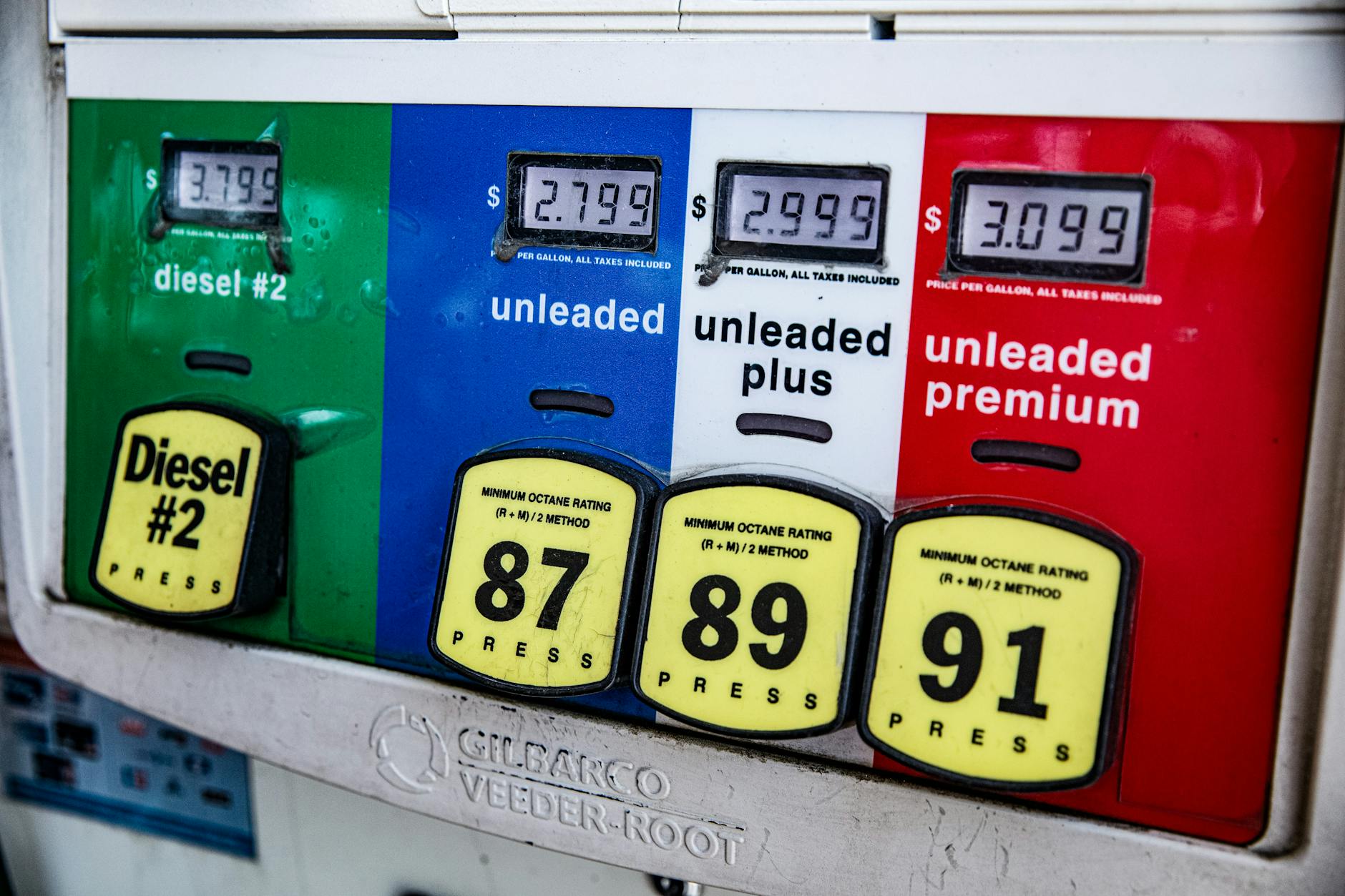
And some of it is simply the way the pump is laid out — three buttons, ascending price, and a natural human tendency to equate cost with quality.
The Simple Rule
Open your glove box. Find the owner's manual. Look up the fuel specification for your vehicle. That's the answer — not the price tier, not what your neighbor uses, not what feels more premium.
If your car calls for regular, use regular. If it recommends premium, you can experiment with regular and observe whether you notice any difference (most drivers in non-performance vehicles won't). If it requires premium, that's the one case where the extra cost is genuinely doing something for you.
Everything else is just expensive habit.