The Lane You Think Is Safest on the Highway Might Actually Be the Most Dangerous
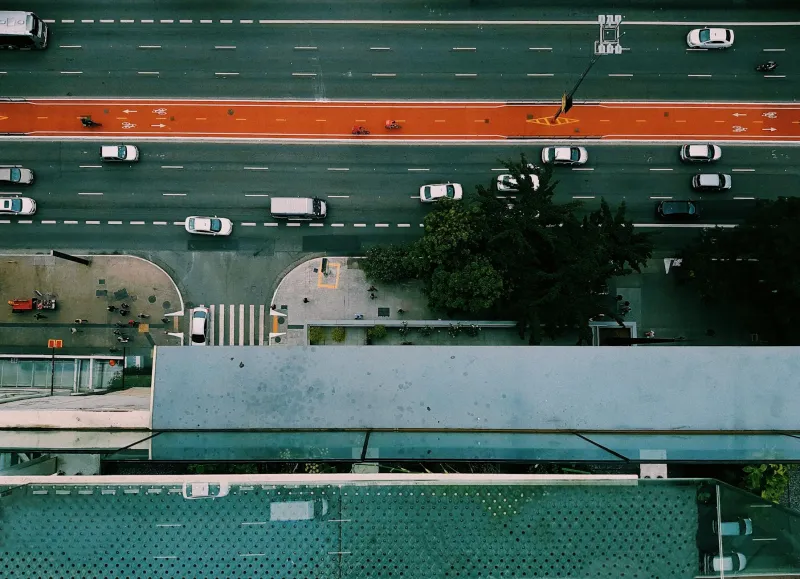
Ask any group of drivers which highway lane is safest, and you'll get confident, contradictory answers. Some swear by the right lane — "Stay out of everyone's way." Others prefer the left lane — "Avoid all that merging traffic." Many compromise on the middle lane — "Best of both worlds."
Here's the problem: they're all partially right and completely wrong, depending on the circumstances. Federal crash data reveals that highway safety isn't about picking the "right" lane — it's about understanding how lane choice interacts with traffic patterns, speed differentials, and driver behavior around you.
What the Crash Data Actually Shows
The National Highway Traffic Safety Administration tracks accident locations, including lane position. The results might surprise you.
On typical three-lane highways, the right lane sees the most accidents overall — but not for the reasons you'd expect. It's not because the right lane is inherently dangerous; it's because it carries the most diverse mix of traffic.
The right lane handles entering traffic, exiting traffic, slower-moving vehicles, and nervous drivers trying to "stay safe." This creates constant speed differentials and unpredictable movements. More interactions mean more opportunities for things to go wrong.
The left lane typically has fewer total accidents, but the accidents that do occur tend to be more severe due to higher speeds. Meanwhile, middle lanes fall somewhere between — moderate accident frequency with moderate severity.
But here's the crucial part: these patterns shift dramatically based on traffic conditions, time of day, and road design.
The Speed Differential Problem
The real danger on highways isn't speed itself — it's speed differences between vehicles. When cars in adjacent lanes are traveling at significantly different speeds, the risk of accidents increases substantially.
This is why the "safest" lane changes throughout the day. During rush hour, when traffic is heavy and speeds are relatively uniform across all lanes, the middle lane might offer the best compromise. During off-peak hours, when speed differentials are more pronounced, lane choice becomes more critical.
Consider a common scenario: you're in the right lane doing 65 mph while traffic in the left lane flows at 80 mph. Every time someone wants to change lanes — either to pass you or to exit — they're navigating a 15 mph speed differential. That's a recipe for misjudgments and accidents.
The Merge Zone Reality
One of the biggest misconceptions about highway safety involves merge zones. Many drivers avoid the right lane entirely because "that's where people merge." But this strategy often backfires.
When experienced highway traffic avoids the right lane, it creates a situation where the right lane is dominated by slower, more hesitant drivers and vehicles that actually need to exit. This makes the lane even more unpredictable.
Meanwhile, the left and middle lanes become overcrowded with through traffic, creating their own safety issues. Dense traffic moving at high speeds leaves little margin for error.
The safest approach to merge zones isn't avoiding them — it's understanding how to navigate them properly. This means maintaining appropriate following distances, being aware of acceleration lanes, and making space for merging traffic when possible.
Time of Day Changes Everything
Highway lane safety isn't static. The "safest" lane at 2 PM on a Tuesday is different from the safest lane at 8 AM on a Monday or 11 PM on a Friday.
During morning rush hour, the right lane often becomes a parking lot of exiting commuters. The left lane fills with aggressive drivers trying to maintain speed. The middle lane might offer the best balance of predictable traffic flow.
Late at night, the dynamics flip entirely. Light traffic means higher speeds and greater speed differentials. The right lane might be safest simply because it's least occupied, while the left lane becomes the domain of speed demons and potentially impaired drivers.
Weekend travel introduces recreational drivers who may be unfamiliar with the route, creating different patterns of unpredictable behavior.
The Construction Zone Wild Card
Work zones throw all conventional wisdom out the window. Lane restrictions, speed changes, and temporary traffic patterns create entirely new safety calculations.
In construction zones, the "safest" lane is often whichever one has the most consistent traffic flow and the least amount of forced merging. This might be a lane that would normally be considered less safe in regular conditions.
Construction also affects driver psychology. People become more aggressive when they feel delayed, leading to more risk-taking behavior. Others become overly cautious, creating new speed differentials.
The Psychology Factor
Driver behavior in each lane follows predictable patterns that affect safety. The left lane attracts more aggressive drivers, people running late, and those who view driving as a competitive activity. This creates a culture of higher speeds, closer following distances, and more frequent lane changes.
The right lane attracts more cautious drivers, people unfamiliar with the route, and vehicles with performance limitations (heavy trucks, older cars, drivers talking on phones). This creates a culture of variable speeds and more hesitant decision-making.
Middle lanes get a mix of both, plus drivers who are actively trying to optimize their position — which can mean frequent lane changes as conditions change.
Understanding these behavioral patterns helps you predict what other drivers might do, which is often more valuable than trying to pick the "safest" lane.
Context Is Everything
The truth about highway lane safety is that there's no universal answer. The safest lane depends on:
- Traffic density and speed patterns
- Time of day and day of week
- Weather conditions
- Road design and construction
- Your own driving experience and comfort level
- Your specific route and exit requirements
A lane that's safe for an experienced driver during light traffic might be dangerous for a nervous driver during rush hour. A lane that works well on a familiar route might be problematic when you're looking for an unfamiliar exit.
The Real Safety Strategy
Instead of trying to identify the "safest" lane, focus on being a predictable driver in whatever lane you choose. This means:
Matching the flow of traffic in your lane rather than driving significantly faster or slower than surrounding vehicles. Maintaining appropriate following distances for conditions. Using turn signals early and clearly. Staying aware of traffic patterns in adjacent lanes. Being prepared to adjust your strategy as conditions change.
The safest drivers aren't necessarily those who pick the "right" lane — they're those who understand how their lane choice affects their interactions with other traffic and adjust accordingly.
Next time you're on the highway, pay attention to the traffic patterns around you. Notice how speed differentials create tension points. Watch how driver behavior changes between lanes. The "safest" lane might not be the one you expect — and it might change before you reach your destination.