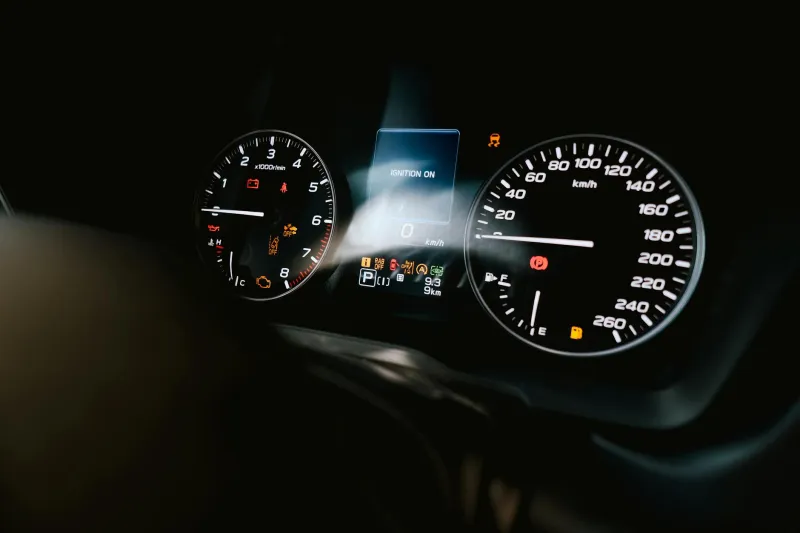
The Mileage Obsession That's Costing Buyers
Walk onto any used car lot, browse Craigslist, or scroll through dealer websites, and you'll notice something: mileage dominates every conversation. "Low miles!" screams from listing headlines. Buyers filter searches by mileage first. Sales conversations start with odometer readings. It's become the universal shorthand for vehicle quality.
But here's what the used car industry knows and most buyers don't: mileage is often the least reliable indicator of how much life a vehicle actually has left.
Why Mileage Became King (And Why It Shouldn't Be)
The obsession with mileage makes intuitive sense. More miles should mean more wear, right? This logic worked reasonably well in the 1970s and 80s when cars regularly died around 100,000 miles. But modern vehicles routinely exceed 200,000 miles with proper maintenance, and the relationship between odometer readings and actual condition has become far more complex.
Mileage persists as the primary metric because it's simple, visible, and seemingly objective. Unlike mechanical condition or maintenance history, you can spot mileage from across the lot. It gives buyers a false sense of scientific precision in an inherently subjective evaluation process.
The High-Mile Heroes vs. Low-Mile Disasters
Consider two real-world scenarios:
Car A: 45,000 miles, five years old, owned by a college student who drove it hard around town, skipped oil changes, and parked it outside in harsh weather.
Car B: 120,000 miles, eight years old, owned by a highway commuter who followed maintenance schedules religiously and garage-parked it every night.
Most buyers would choose Car A without hesitation. But Car B is likely the better long-term investment.
What Actually Determines Vehicle Longevity
Driving Patterns Matter More Than Total Distance
Highway miles are fundamentally different from city miles. A car that accumulated 80,000 miles on interstate commutes experiences less wear than one with 40,000 miles of stop-and-go urban driving. Highway driving keeps engines at optimal operating temperatures, reduces brake wear, and minimizes the thermal cycling that damages components.
Short trips are particularly brutal on vehicles. Engines never reach full operating temperature, oil doesn't circulate properly, and moisture builds up in the exhaust system. A car driven two miles to work every day will show more wear at 30,000 miles than one driven cross-country multiple times.
Maintenance History Trumps Everything
A well-maintained high-mileage vehicle will outlast a neglected low-mileage one almost every time. Oil changes, fluid replacements, and preventive maintenance create a paper trail that tells the real story of a car's care. Yet most buyers never ask to see maintenance records, focusing instead on the odometer.
Climate and Storage Conditions Leave Lasting Marks
A 50,000-mile car from Minnesota will show different wear patterns than one from Arizona. Salt exposure, temperature extremes, and UV radiation affect everything from paint and rubber to electronic components. A garage-kept vehicle in a mild climate can look and function like new at 100,000 miles, while a parking-lot car in harsh conditions might be deteriorating rapidly at half that mileage.
The Used Car Industry's Quiet Secret
Dealers and mechanics know mileage can be misleading, but they're not incentivized to educate buyers. High-mileage vehicles with excellent maintenance records are goldmines — they often sell below market value to mileage-obsessed buyers, providing exceptional reliability for savvy purchasers who know what to look for.
Meanwhile, low-mileage vehicles with hidden problems command premium prices from buyers who assume mileage equals quality. It's a market inefficiency that benefits sellers and informed buyers while penalizing those who shop by odometer alone.
What Smart Buyers Actually Examine
Service Records and Documentation
A complete maintenance history reveals more about a vehicle's condition than any other single factor. Look for consistent oil changes, scheduled services, and repairs addressed promptly. Missing records or large gaps suggest potential neglect.
Driving Environment Clues
Examine wear patterns that indicate driving conditions. Excessive brake wear suggests city driving or aggressive habits. Worn pedal rubbers and steering wheels indicate high usage regardless of mileage. Paint condition and rubber deterioration reveal storage and climate exposure.
Mechanical Condition Over Cosmetic Appeal
A high-mileage car with tight steering, smooth shifting, and strong acceleration often represents better value than a low-mileage vehicle with mechanical quirks. Cosmetic issues are usually cheaper to address than engine or transmission problems.
The Psychology of Mileage Fixation
Mileage obsession persists because it provides psychological comfort in an uncertain purchase. Buyers feel they're making rational, data-driven decisions when they choose lower mileage. It's tangible evidence they can point to when justifying the purchase to themselves or others.
This psychological comfort comes at a financial cost. Buyers often pay premiums for low mileage while overlooking superior vehicles that don't fit their preconceived notions about odometer readings.
Reframing the Used Car Hunt
Smart used car shopping requires shifting focus from mileage to overall condition and care. A well-maintained 100,000-mile vehicle from a conscientious owner often provides better value and reliability than a 40,000-mile car with questionable history.
The odometer tells only one part of the story — and often not the most important part. The real indicators of vehicle longevity are hidden in maintenance records, driving patterns, and care quality that most buyers never investigate.
Next time you're shopping for a used car, try this: look at everything except the mileage first. You might discover that the best vehicles are hiding in plain sight, overlooked by buyers who can't see past the numbers on the dashboard.