Cold Morning, Running Engine, No One Inside — That Habit Is Older Than Your Car
Cold Morning, Running Engine, No One Inside — That Habit Is Older Than Your Car
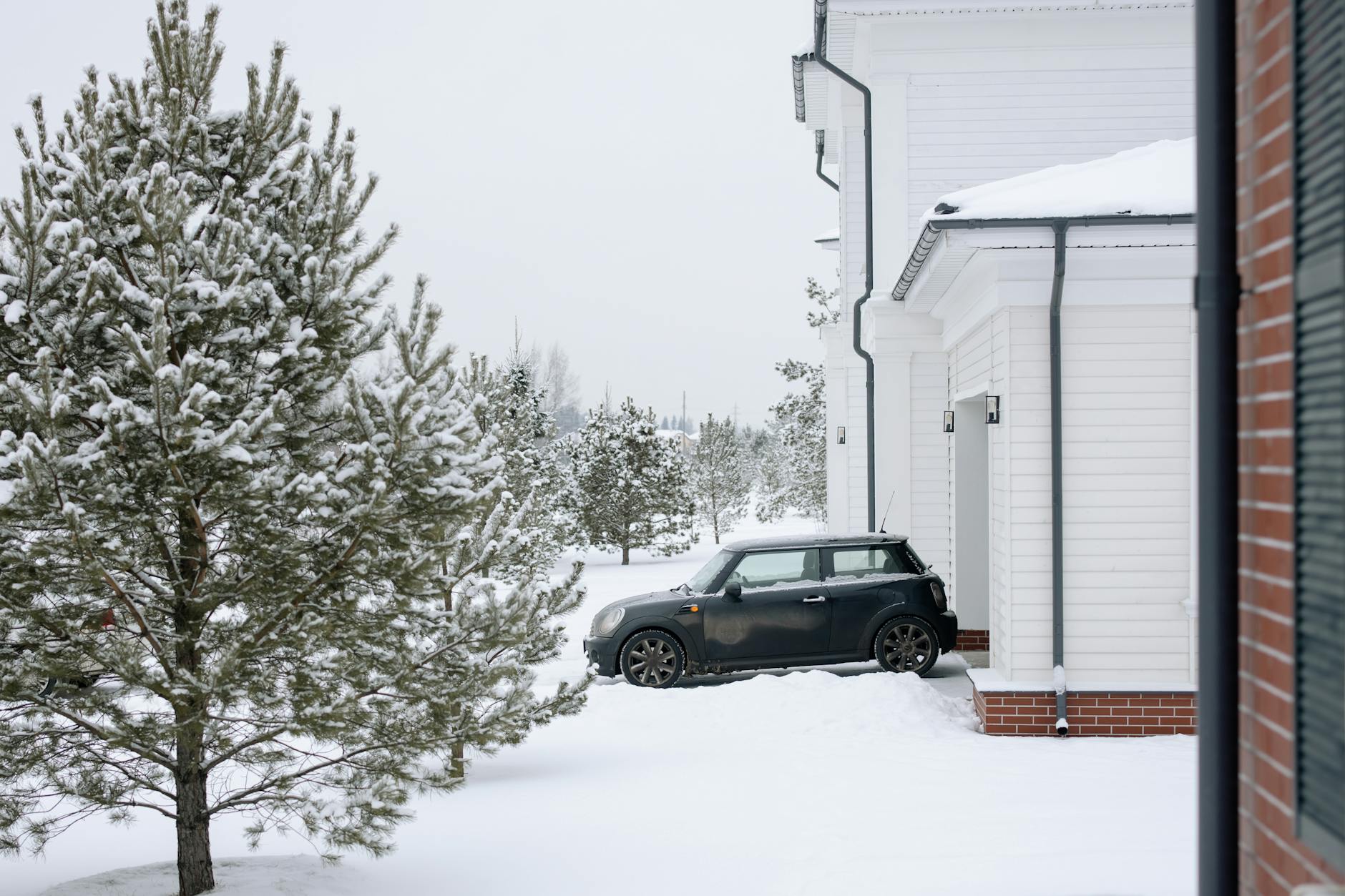
It's 27 degrees outside. You grab your keys, head out to the driveway, start the car, and come back inside for another cup of coffee. Maybe check your phone. Let it run for a few minutes before you actually go anywhere.
Your dad did this. His dad probably did it too. And in their day, it wasn't bad advice.
But if your car was built after the mid-1980s — which, statistically, it almost certainly was — you've been performing a ritual that your engine doesn't need, and one that may actually be working against you.
Where the Habit Came From
The warm-up tradition traces directly to the carburetor engine, which was the standard in American vehicles until fuel injection gradually took over through the 1980s. Carburetors mixed air and fuel mechanically, and they were genuinely finicky in cold temperatures. The mixture ratios were off when components were cold, and engines would stumble, stall, or run rough if you tried to drive immediately.
The fix was simple: let it idle until things warmed up. The engine stabilized, the choke adjusted, and you could drive without the car lurching through intersections.
That advice made complete sense for that technology. The problem is that the technology changed, and the advice didn't.
Fuel injection — which uses sensors and a computer to precisely manage the air-fuel mixture in real time — handles cold starts entirely differently. The system detects the engine temperature and automatically enriches the fuel mixture on startup, compensating for the cold without any idling required. It doesn't need time to stabilize. It adjusts continuously.
What Extended Idling Actually Does to a Modern Engine
Here's where the habit crosses from unnecessary into counterproductive.
When a fuel-injected engine runs at idle in cold temperatures, it runs rich — meaning it uses more fuel than it burns completely. Some of that unburned fuel makes its way past the piston rings and into the engine oil. This is called oil dilution, and it's exactly what it sounds like: gasoline thinning out the oil that's supposed to be protecting your engine's moving parts.
Over time, repeated extended cold idling can degrade oil viscosity, reduce lubrication effectiveness, and accelerate wear on cylinder walls and other critical components. The very ritual people believe is protecting their engine is, under the hood, doing the opposite.
There's also the issue of how engines actually warm up. An idling engine warms up slowly because it's under minimal load — the combustion events are small, and heat builds gradually. A car being driven gently — light acceleration, moderate speeds, no aggressive revving — warms the engine significantly faster because the load increases combustion activity and heat generation. The faster the engine reaches its optimal operating temperature, the sooner the oil flows properly, the sooner the fuel trims normalize, and the sooner everything runs as designed.
Mechanics and engineers have been saying this for years. The EPA has noted it. The message just hasn't reached the driveway.
Why the Myth Stuck Around
Some misconceptions fade quickly when the underlying technology changes. This one didn't, for a few reasons.
First, it was passed down through families and regional culture — especially in cold-weather states like Minnesota, Michigan, and Wisconsin, where warming up the car felt like common sense and basic self-preservation. Advice that comes from a trusted source, repeated over decades, doesn't get fact-checked the way a news headline might.
Second, the habit feels logical. Cold things need to warm up before they work properly — that's true of your muscles, your phone battery in winter, and plenty of other things. Applying that same intuition to an engine seems reasonable, even if the internal mechanics work differently.
Third, there's no immediate feedback that tells you you're doing something wrong. The engine doesn't make a noise. Nothing breaks. The damage, if it accumulates, does so slowly and invisibly over thousands of miles and multiple winters.
What Mechanics Actually Recommend
The guidance from most automotive engineers and professional mechanics is straightforward: start the car, let it sit for 30 to 60 seconds — enough time for oil pressure to build and initial lubrication to circulate — then drive away gently.
Gentle means avoiding hard acceleration, high RPMs, and aggressive merging for the first few minutes. You're not trying to punish a cold engine. You're just letting normal driving load do what idling can't: warm it up efficiently.
If your car has a cabin heater concern — and in a Minnesota February, that's legitimate — a block heater or a remote start paired with a short warm-up is more defensible than ten minutes of freestanding idle. But even then, most modern vehicles reach comfortable cabin temperatures faster under a gentle moving load than sitting still.
The takeaway: The 5-minute warm-up was good advice for your grandfather's carburetor. For anything built in the last 30-plus years, 60 seconds and a gentle start is better for your engine, better for your fuel economy, and better for the oil that's keeping everything moving.