Winter Is Actually the Worst Time to Skip a Car Wash — Here's the Chemistry Behind It
The Logic That Sounds Right But Isn't
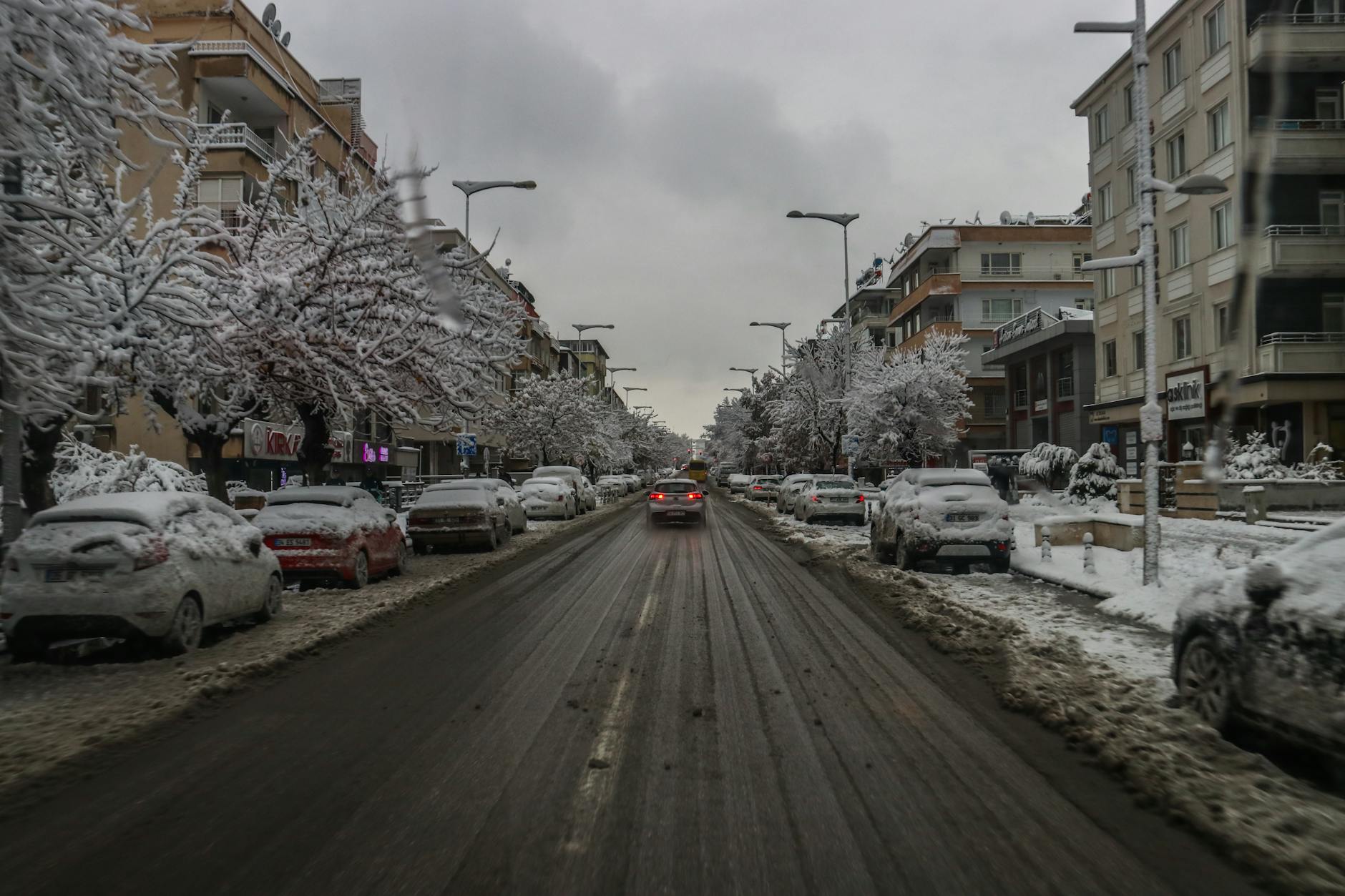
It's February. It's 28 degrees outside. There's a fresh dusting of snow on the ground and the forecast shows more on the way. You glance at your car, notice the salt-caked wheel wells and the grime creeping up the lower doors, and think: What's the point? It'll just get dirty again tomorrow.
That reasoning feels completely sensible. And for millions of drivers across the Midwest, Northeast, and Mountain West, it's the quiet logic behind skipping car washes for entire winters at a stretch.
The problem is that the chemistry happening underneath your vehicle doesn't care about your logic.
What Road Salt Is Actually Doing to Your Car
State and municipal road crews across the US apply millions of tons of sodium chloride — plain road salt — to highways and streets every winter. Increasingly, they're also using liquid brine solutions before storms hit, which bond to road surfaces and lower the freezing point of water more efficiently than dry salt alone.
These compounds are excellent at keeping roads drivable. They are genuinely terrible for metal.
Here's the basic chemistry: when salt dissolves in water, it creates an electrolyte solution — the same principle behind a battery. When that solution contacts metal, it dramatically accelerates the electrochemical process of oxidation. In plain terms, salt makes metal rust faster. Significantly faster. Studies in corrosion engineering have shown that road salt can increase the rate of rust formation on steel by a factor of several times compared to water alone.
Your car's undercarriage — the frame, subframe, brake lines, exhaust components, suspension parts, and wheel wells — is directly exposed to road spray every single time you drive. That's where the real damage accumulates, largely out of sight.
The Parts Most Drivers Never Think About
Most people, when they think about car washing, picture the paint. And yes, salt brine on your clear coat and paint finish is worth addressing. But the undercarriage is where winter driving truly takes its toll.
Brake lines are particularly vulnerable. These thin metal tubes run the length of the vehicle and are constantly exposed to road spray. Corrosion on brake lines is one of the more serious — and expensive — consequences of neglected winter maintenance, sometimes leading to failures that require full brake line replacement.
Suspension components, including control arms and tie rods, are also prime targets. So are the wheel well liners, which trap salt-laden slush and hold it against the metal behind them for days after a storm.
Then there's the exhaust system. Mufflers, resonators, and exhaust pipes sit low on the vehicle and take a direct hit from road spray. Premature exhaust corrosion is among the most common winter-related repair bills mechanics see in northern states.
Why Winter Washes Actually Matter More, Not Less
The counterintuitive truth is that winter is the single most important season to stay on top of car washes — not the season to skip them.
The goal isn't to have a pretty car. The goal is to physically remove the corrosive material before it has extended contact with metal surfaces. A basic wash that includes an undercarriage rinse — a feature offered at most automatic car washes for little or no extra cost — flushes accumulated salt and brine from the parts of the vehicle most at risk.
The timing matters too. Ideally, you want to wash your car within a few days of any significant road salt exposure, particularly when temperatures are expected to rise above freezing. That warming period is when salt brine becomes most chemically active and does its most aggressive work.
If you live somewhere that sees regular winter road treatment — Illinois, Michigan, Pennsylvania, Colorado, Minnesota — washing every one to two weeks during peak winter months isn't excessive. It's basic preventive maintenance.
A Few Things Worth Knowing Before You Pull In
Not all car washes are created equal for winter purposes. Touch-free automatic washes with undercarriage spray options are ideal. Hand washing works too, but you'd need to specifically get underneath the vehicle with a pressure nozzle to replicate what a full-service automatic wash does.
One practical note: don't wash your car when temperatures are below about 30°F. Water can freeze in door seals, locks, and around trim pieces, creating its own set of headaches. Pick a day when it's above freezing and, if possible, give the car time to dry before temperatures drop again in the evening.
Also worth knowing — the inside of your wheel wells and the lower edges of your doors and rocker panels are spots that often get missed even in automatic washes. A periodic hand-rinse of those areas with a garden hose during a mild winter day goes further than most people expect.
The Real Cost of Doing Nothing
Rust repair on a vehicle's undercarriage is not cheap. Depending on what's affected, you're looking at anywhere from a few hundred dollars for localized surface rust treatment to several thousand for structural frame corrosion. In severe cases, rust damage can render a vehicle structurally unsafe — a total loss on a car that otherwise runs fine.
A monthly automatic car wash with an undercarriage rinse typically runs $10 to $20. The math isn't complicated.
Skipping winter washes feels like a minor convenience. Over the life of a vehicle, it's often one of the more quietly costly habits a driver can have.