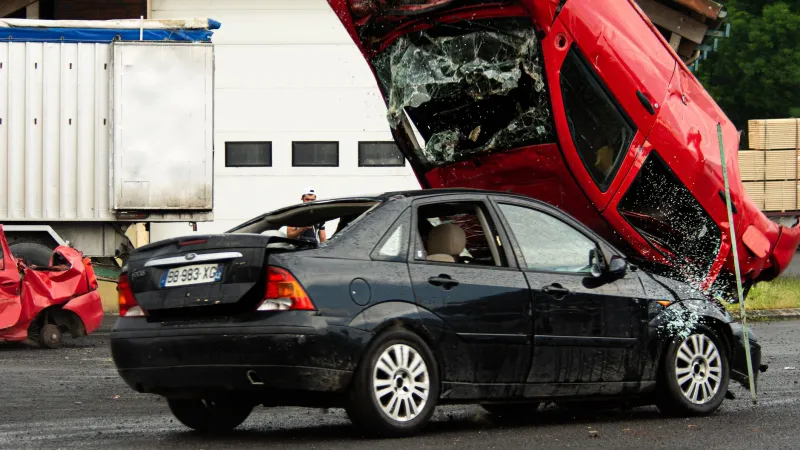
Millions of Americans Are Driving Cars With Open Recalls — and the System Is Designed to Let That Happen
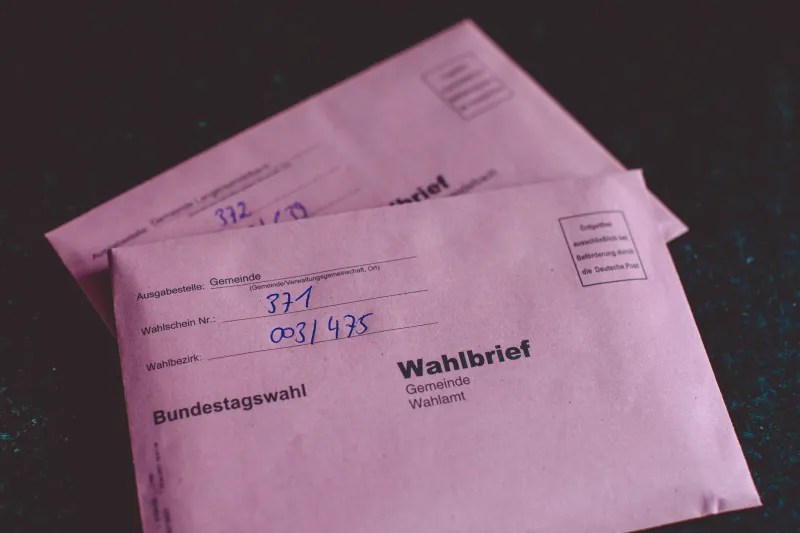
Somewhere between the mailbox and the recycling bin, a lot of recall notices disappear. It's not that people are reckless — it's that the way recalls get communicated makes them feel like the automotive equivalent of a software update notification. Mildly annoying, probably not urgent, easy to deal with later.
Later, for a lot of drivers, never actually arrives.
At any given moment, there are tens of millions of vehicles on American roads with open, unrepaired safety recalls. That number isn't an accident. It's the predictable output of a system that creates awareness without creating urgency — and the consequences range from minor inconvenience to genuinely life-threatening.
What a Recall Actually Is
A recall is issued when a manufacturer or the National Highway Traffic Safety Administration determines that a vehicle or component doesn't meet federal safety standards, or contains a defect that poses an unreasonable risk to safety. That definition covers an enormous range of severity.
 Photo: National Highway Traffic Safety Administration, via m.bbb.org
On one end, you have recalls for things like a floor mat that could theoretically interfere with the accelerator pedal under specific conditions. On the other end, you have situations like the Takata airbag crisis — where inflators were rupturing and sending metal fragments into vehicle occupants. That recall eventually covered over 67 million vehicles in the US and was linked to at least 27 deaths domestically.
 Photo: Takata airbag crisis, via images.drive.com.au
Both of those scenarios arrive in your mailbox looking roughly the same: an official letter with your VIN, a description of the issue, and instructions to contact your dealer.
There is no color-coded urgency system. No skull and crossbones for the dangerous ones. Just a letter.
Why So Many Recalls Go Unfixed
The NHTSA requires manufacturers to notify owners by first-class mail within 60 days of a recall being announced. That's the extent of the mandatory follow-through. There's no requirement to confirm you received it, no deadline for you to act, and no mechanism to prevent you from driving the vehicle in the meantime.
Several things work against completion rates. People move and don't update their vehicle registration, so the letter goes to an old address. Used car buyers often don't receive notifications at all if the manufacturer's records aren't current. Some recalls require a part that isn't immediately available, so owners are told to wait — and then forget. And for a lot of drivers, the mental model of a recall is a minor inconvenience, not a safety emergency, so the urgency just isn't there.
The result is completion rates that rarely reach 80 percent even for high-profile recalls, and often sit far lower. A 2015 study found that the average recall completion rate across all US recalls was around 70 percent — meaning roughly three in ten affected vehicles never got fixed. For older vehicles, that number drops significantly.
The Repair Process Is More Complicated Than It Sounds
Even when a driver decides to act, the path from recall notice to repaired vehicle isn't always smooth. The repair is free — manufacturers are required to cover parts and labor — but availability of the necessary components can be a real obstacle.
During the Takata airbag recall, parts shortages meant that some owners were told their repair appointment was months away. In the meantime, they were advised to avoid putting passengers in the front seat. That's the kind of guidance that sounds manageable until you're actually living it for six months.
Dealerships vary significantly in how they handle recall appointments. Some prioritize them efficiently. Others treat recall work as low-margin business and schedule it accordingly. Owners have reported being told their recall repair would take days because of parts availability, or being given appointment slots weeks out.
And for vehicles that are no longer under any kind of manufacturer relationship — older cars, private-sale purchases, vehicles far from their original market — the process requires more initiative from the owner, who may not even know an open recall exists.
How to Know If Your Car Has an Open Recall
This is one of the more useful things to know, and it takes about 90 seconds. The NHTSA maintains a free lookup tool at nhtsa.gov where you can enter your 17-digit VIN and see every open recall on your specific vehicle. Not just the model — your specific vehicle, because some recalls are limited to certain production runs or build dates.
It's worth doing this periodically, especially if you bought a used vehicle, because the previous owner may have never acted on a notice. And if you're shopping for a used car, running the VIN through the NHTSA database before you buy is a straightforward step that a surprising number of buyers skip.
The Gap Between Communication and Action
The deeper issue here isn't that Americans are careless — it's that the recall system is built around notification rather than resolution. The letter is sent, the box is checked, and what happens next is largely up to individual drivers navigating a process that doesn't make urgency easy to feel.
For minor defects, that's probably fine. For the ones involving components that can fail catastrophically at highway speed, the gap between "notified" and "fixed" is the kind of thing that shows up in accident reports years later.
The next time a recall notice lands in your mailbox, it might genuinely be minor. But it might not be. The letter won't tell you which one it is in plain terms — and that's exactly the problem.