The Rustproofing Scam Dealerships Still Sell for Problems That Don't Exist Anymore
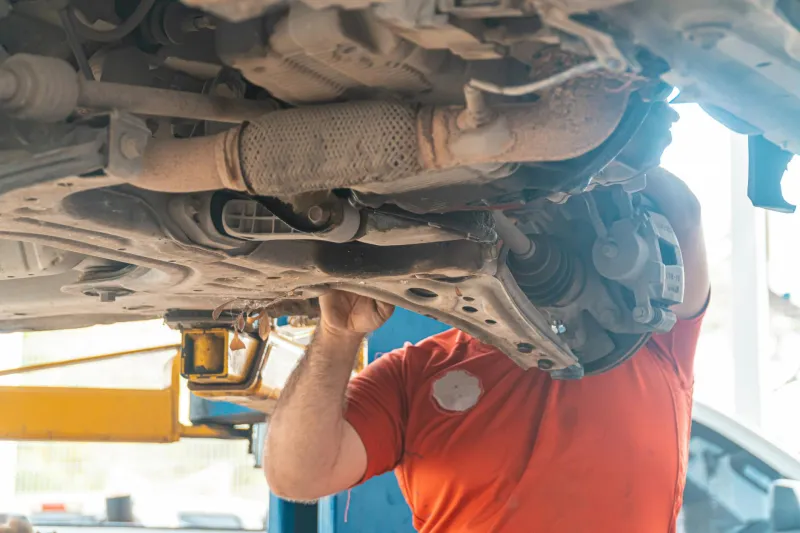
The Rustproofing Scam Dealerships Still Sell for Problems That Don't Exist Anymore
Walk into any car dealership, and somewhere between the extended warranty pitch and the paint protection presentation, you'll encounter the rustproofing upsell. The finance manager will lean forward with practiced concern, warning about road salt, moisture, and the inevitable corrosion that will destroy your investment unless you spend an extra $800-1,500 on protective treatments.
It's a compelling fear to exploit, especially for buyers in snow belt states who remember their parents' cars dissolving into orange flakes every few winters. But here's what that finance manager won't tell you: the rust problem they're selling you a solution for was largely solved by automotive engineers decades ago.
When Rust Was Actually a Problem
In the 1970s and early 1980s, rustproofing wasn't just smart — it was essential survival gear for any car expected to last more than five years. Vehicles rolled off assembly lines with basic paint and minimal corrosion protection, essentially starting their countdown to structural failure the moment they hit the road.
Cars from this era would develop visible rust within two to three years and experience serious structural corrosion within five to seven years. The famous Chevrolet Vega became a punchline partly because of its tendency to rust through before the engine failed, which was saying something given the Vega's mechanical issues.
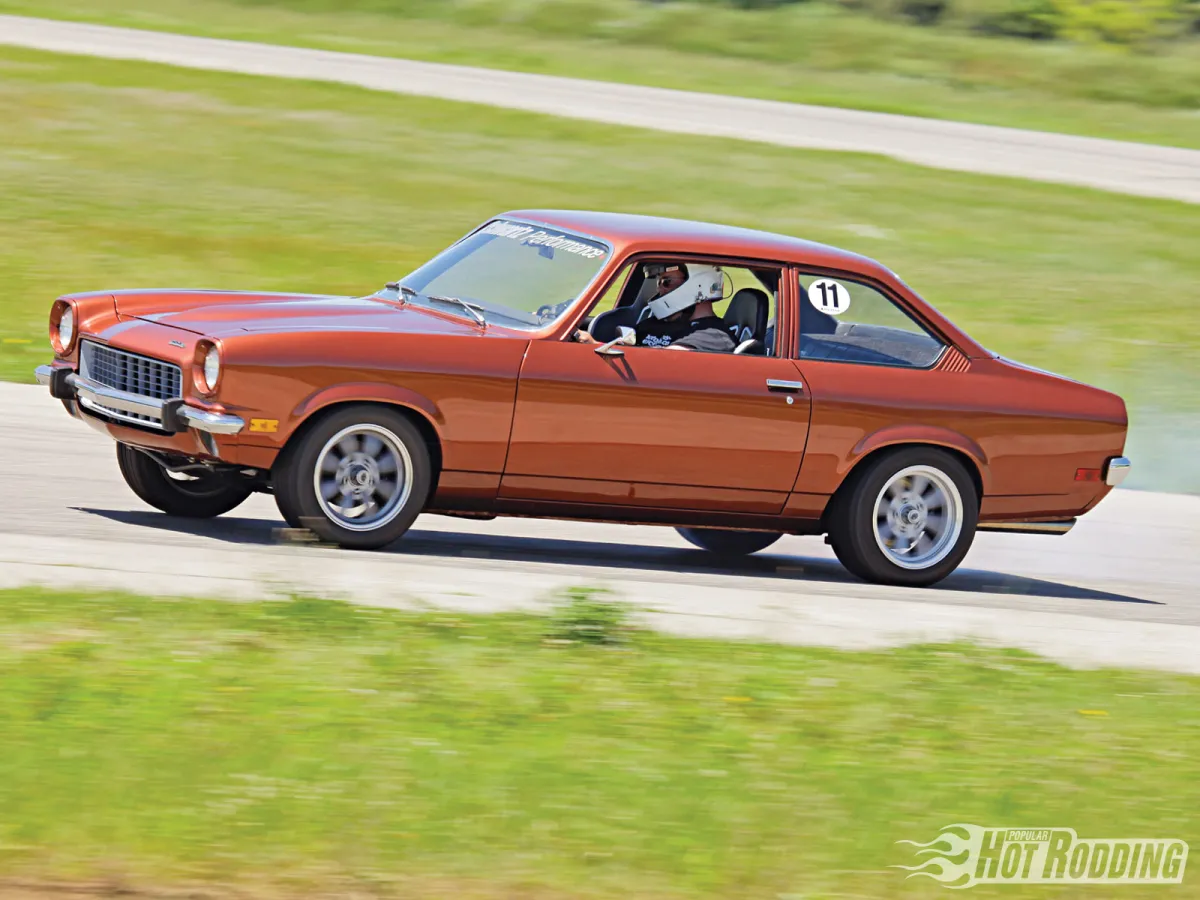 Photo: Chevrolet Vega, via st.hotrod.com
Dealership rustproofing during this period involved drilling holes in door panels, rocker panels, and frame rails to inject waxy coatings into hollow spaces where moisture could accumulate. This process, while messy and expensive, genuinely extended vehicle lifespan in harsh climates.
The Engineering Revolution Nobody Noticed
Somewhere between the Reagan administration and the iPhone launch, automotive manufacturing quietly underwent a corrosion-resistance revolution that most consumers never recognized. Modern vehicles emerge from factories with protection systems that would have seemed like science fiction to 1970s engineers.
 Photo: Reagan administration, via www.shutterstock.com
Galvanized steel became standard for body panels and structural components, creating a zinc coating that sacrifices itself to protect the underlying metal. This isn't paint or a surface treatment — it's metallurgical protection built into the steel itself before the car is even assembled.
Factory paint processes evolved from simple spray-and-bake operations into complex multi-stage systems. Modern vehicles receive electro-coating (e-coat) that uses electrical charge to bond primer to every surface, including hard-to-reach internal cavities. This is followed by multiple primer layers, base coat, and clear coat, creating a protection system with thickness measured in dozens of layers rather than single coats.
The Details That Matter More Than Aftermarket Sprays
Contemporary automotive design includes corrosion-fighting features that address rust at its source: trapped moisture and poor drainage. Engineers now design drain holes in door frames, rocker panels, and other hollow spaces to prevent water accumulation. Sealing systems keep moisture out of critical areas while allowing necessary drainage when water does intrude.
Wiring harnesses, fasteners, and even exhaust systems receive corrosion-resistant treatments during manufacturing. The comprehensive approach means rust typically starts with external damage (stone chips, scratches) rather than internal moisture accumulation — the exact problem aftermarket rustproofing was designed to address.
Factory warranties reflect this engineering confidence. Most manufacturers now offer 5-7 year corrosion warranties, with some extending to 12 years for perforation rust. These warranties exist because manufacturers know their factory protection works, not because they're feeling generous.
Why the Fear Persists
Dealership finance managers rely on generational memory and regional anxiety to sell rustproofing packages. Customers who grew up seeing rusted-out cars assume the problem still exists, while those living in salt-heavy climates worry about winter driving conditions their grandparents' cars couldn't survive.
The treatments themselves often sound impressive: "molecular bonding," "penetrating sealants," and "advanced polymer coatings" that promise to enhance factory protection. But applying additional coatings to surfaces that already have comprehensive factory protection is like adding a second foundation to a house that's already built on solid ground.
Some aftermarket treatments can actually interfere with factory drainage systems by clogging designed drain holes or creating moisture traps in areas engineered to stay dry. The waxy coatings popular in traditional rustproofing can accumulate debris and salt, creating the exact conditions they're supposed to prevent.
When Rustproofing Still Makes Sense (Spoiler: Almost Never)
There are legitimate scenarios where additional corrosion protection might be worthwhile, but they're far more limited than dealership sales presentations suggest. Commercial vehicles exposed to extreme conditions — think municipal snow plows or beachfront work trucks — might benefit from supplemental protection.
Vehicles in coastal areas with constant salt air exposure face corrosion challenges different from occasional winter road salt. But even in these environments, proper washing and maintenance typically provide better protection than aftermarket coatings applied over factory systems.
For the vast majority of passenger vehicles driven in normal conditions — even including harsh winter climates — factory corrosion protection is comprehensive and effective. The money spent on dealership rustproofing would provide better long-term value invested in regular car washes, especially undercarriage cleaning during winter months.
The Real Protection Strategy
Modern cars don't need aftermarket rustproofing, but they do benefit from maintenance that supports their factory protection systems. Regular washing removes corrosive materials before they can penetrate protective coatings. Prompt repair of paint chips and scratches prevents corrosion from starting at damage points.
Keeping drain holes clear and addressing minor body damage quickly will do more to prevent rust than any spray-on treatment applied over factory coatings that were designed to last the vehicle's entire lifespan.
The next time a finance manager warns about rust destroying your investment, remember that automotive engineers spent decades solving that exact problem. Your new car already has better corrosion protection than aftermarket treatments can provide — it just doesn't come with a separate line item on your purchase contract.