Your Car Has a Paper Trail of Known Problems — Here's Why You've Never Seen It

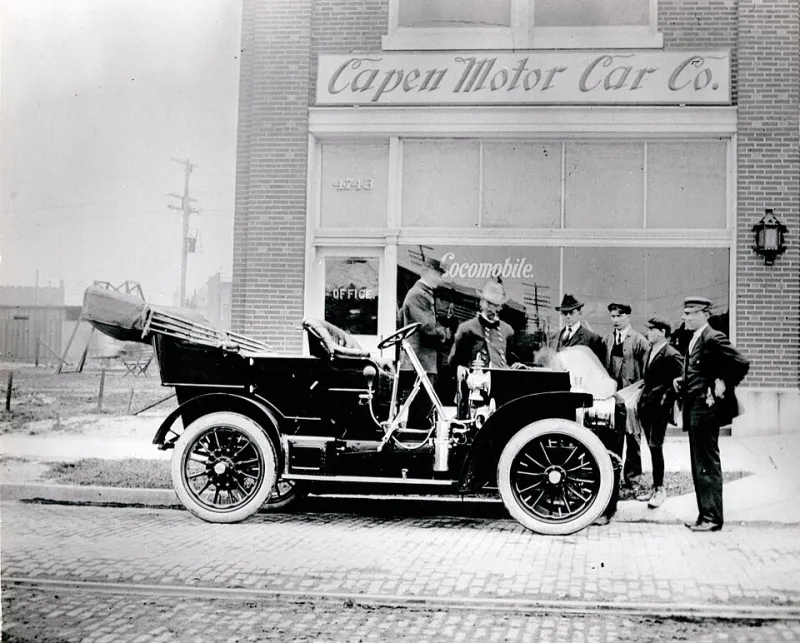
Photo: Internet Archive Book Images, CC0, via Wikimedia Commons
When something goes wrong with your car — a transmission that hesitates, a rattling dashboard, an engine that misfires under specific conditions — your first instinct is probably to assume it's bad luck or normal wear. Your second instinct might be to take it to the dealer and hope for the best.
What most people don't know is that the automaker may have already documented that exact problem, assigned it a code number, and written a step-by-step repair procedure for it — sometimes years before your car started acting up.
Those documents are called Technical Service Bulletins, or TSBs. They're not the same as recalls. Nobody mails you a notice. Nobody calls you. And in most cases, nobody at the dealership volunteers the information unless you already know to ask.
What a TSB Actually Is
A Technical Service Bulletin is an internal communication from an automaker to its authorized dealerships. It describes a known issue with a specific vehicle — a manufacturing variation, a design flaw, a software bug, a part that wears faster than expected — and provides instructions for how technicians should address it.
TSBs aren't admissions of defect in a legal sense, and they don't obligate the manufacturer to fix your car for free (though some do fall under warranty coverage). They're more like a service manual update — a way for the company to say: we've seen this pattern, here's what's causing it, here's the fix.
The important distinction from a recall is intent. Recalls involve safety-related defects and legally require notification and free repair. TSBs cover a much wider range of issues — many of which affect performance, comfort, or longevity — without triggering the same legal obligations. That means the disclosure and repair process is largely left to the dealership's discretion and the owner's awareness.
Why Dealers Don't Bring This Up Unprompted
This is where the system gets quietly frustrating. Dealerships receive TSB updates and are expected to apply relevant ones when a vehicle comes in for service — particularly if the car is still under the factory warranty. In theory, a technician who sees your car's VIN and knows about a relevant bulletin should flag it.
In practice, that doesn't always happen. Service departments are busy, technicians are working through a queue, and unless the symptom you described matches what's in the bulletin, it might not come up. There's also a financial dimension: warranty reimbursement rates from manufacturers are often lower than what a shop can charge for out-of-pocket repairs. The incentive structure doesn't always reward thoroughness.
Beyond the service bay, salespeople on the floor aren't typically trained on TSBs at all. If you're buying a used car and the lot has a TSB-documented issue on that model, the sales team may genuinely not know — or may not consider it their responsibility to find out.
The Information Is Public — If You Know Where to Look
Here's the part that surprises most people: TSBs are not secret. The NHTSA (National Highway Traffic Safety Administration) maintains a public database that includes TSBs submitted by automakers. It's searchable by make, model, and year at nhtsa.gov.
The database isn't always perfectly up to date or exhaustive, but it's a legitimate starting point. For more comprehensive access, third-party services like AllData, Mitchell 1, and Identifix compile TSB databases that mechanics use professionally — some of which offer consumer-facing lookup tools for a small fee.
Free alternatives include forums and owner communities specific to your vehicle make and model. If a TSB exists for a common problem — say, a Ford F-150 transmission shudder or a specific Honda engine oil consumption issue — the owner community usually knows about it, discusses it extensively, and can tell you exactly what bulletin number to reference when you walk into the dealer.
How to Use This Information Before You Buy
If you're shopping for a used car, pulling TSB history on the specific model you're considering takes about ten minutes and can tell you a lot. A long list of TSBs isn't automatically a dealbreaker — it can actually mean the manufacturer has been responsive to known issues and has documented fixes in place. But it tells you what to ask about, what to look for during a test drive, and whether the previous owner or dealer has addressed documented problems.
When buying new, TSBs on a model that's been in production for a year or two can reveal early-run issues that may have been corrected in later production. Asking a dealer whether any open TSBs apply to the specific vehicle you're purchasing — and requesting documentation of any that have already been addressed — is a reasonable and informed question. Most service advisors will respect it.
If Your Car Is Already Acting Up
If you're experiencing a problem and your car is still under warranty, search for TSBs related to your symptom before your service appointment. Write down the bulletin number if you find one. When you drop off your car, mention it directly: "I've seen TSB number XXXX referenced for this issue on my model — can you check whether that applies?"
This does two things. It signals to the service advisor that you've done your homework, which tends to shift the dynamic toward thoroughness. And it gives the technician a specific starting point rather than a vague complaint.
Out of warranty, the same information helps you understand what you're paying for. If a shop diagnoses a repair that matches a known TSB fix, you're at least going in with eyes open about whether it's a systemic design issue or random bad luck.
The Takeaway
Automakers document known problems. That documentation is technically available to the public. But the system isn't designed to surface this information proactively — and the gap between what manufacturers know and what owners find out can cost you time, money, and trust in a car that was already flagged before you brought it in. A few minutes with the NHTSA database before your next service appointment or vehicle purchase might be the most underused tool in the average driver's toolkit.