The Badge on That Luxury Car Is Doing More Work Than the Engineering Underneath It

Photo by Photo by Hoyoun Lee on Unsplash on Unsplash
There's a moment in every luxury car purchase where the buyer leans back, looks at the logo on the steering wheel, and feels like they made the right call. That badge carries weight. It carries history, reputation, and a quiet signal to other people in parking lots. For a lot of buyers, that feeling is a significant part of what they're paying for.
Here's the uncomfortable layer underneath it: in a growing number of cases, the car wearing that prestigious badge shares its fundamental architecture — its platform, its suspension geometry, its engine family, sometimes its factory floor — with a vehicle wearing a much less prestigious badge that costs significantly less money. The badge is doing real work. The question is whether it's doing enough work to justify the price difference.
Platform Sharing Is the Industry's Open Secret
Automakers have been sharing platforms across brands for decades. It's an economic necessity. Developing a new vehicle platform from scratch costs billions of dollars. Spreading that cost across multiple models — some mainstream, some premium — makes the math work. The practice is so widespread that it's almost the rule rather than the exception in modern automotive manufacturing.
What's changed is the degree of overlap and how little attention buyers pay to it.
The Cadillac XT4 and the Chevrolet Equinox share GM's VSS-F front-wheel-drive platform. The XT4 starts around $37,000. The Equinox starts around $28,000. The price difference is real, and so are some of the differences — the Cadillac gets a more refined interior, more standard tech, and a brand experience that includes a different dealership atmosphere. But the bones of the vehicle, the fundamental engineering that determines how it handles, how it absorbs road inputs, and how the powertrain is configured, come from the same family tree.
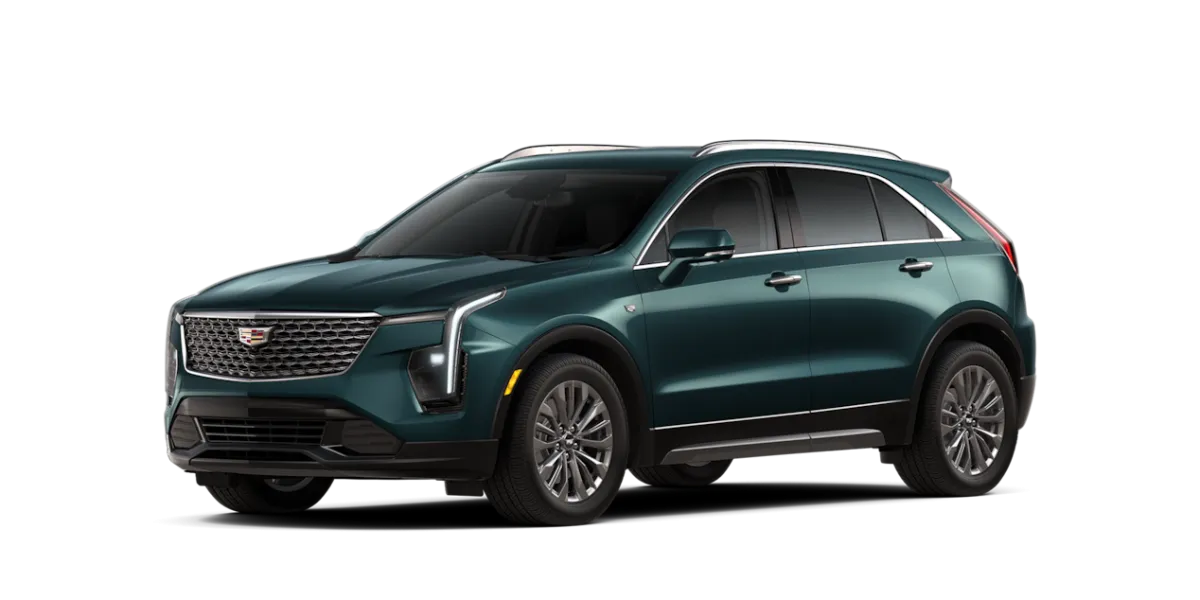 Photo: Cadillac XT4, via www.cadillac.com
Lincoln and Ford have the same relationship. The Lincoln Nautilus shares its platform with the Ford Edge. The Lincoln Corsair is architecturally related to the Ford Escape. Lincoln has invested meaningfully in differentiating the interior experience — quieter cabins, better materials, more standard features — but buyers paying a $15,000 to $20,000 premium over the Ford equivalent are partly paying for genuine improvements and partly paying for the ornament on the hood.
The Audi and Volkswagen Case Study
Perhaps the most thoroughly documented example of badge-gap pricing in the American market is the relationship between Volkswagen and Audi. Both brands are owned by Volkswagen Group, and they share the MQB platform across a wide range of models.
The Audi A3 and the Volkswagen Golf have shared core architecture for years. The Audi Q3 and Volkswagen Tiguan share a platform. In several cases, the vehicles have been manufactured in the same facility. Audi invests in better interior materials, more sophisticated technology presentation, and a cabin tuning philosophy that genuinely does feel more upscale in many areas. But the fundamental engineering — the stuff you can't see or touch — is substantially shared.
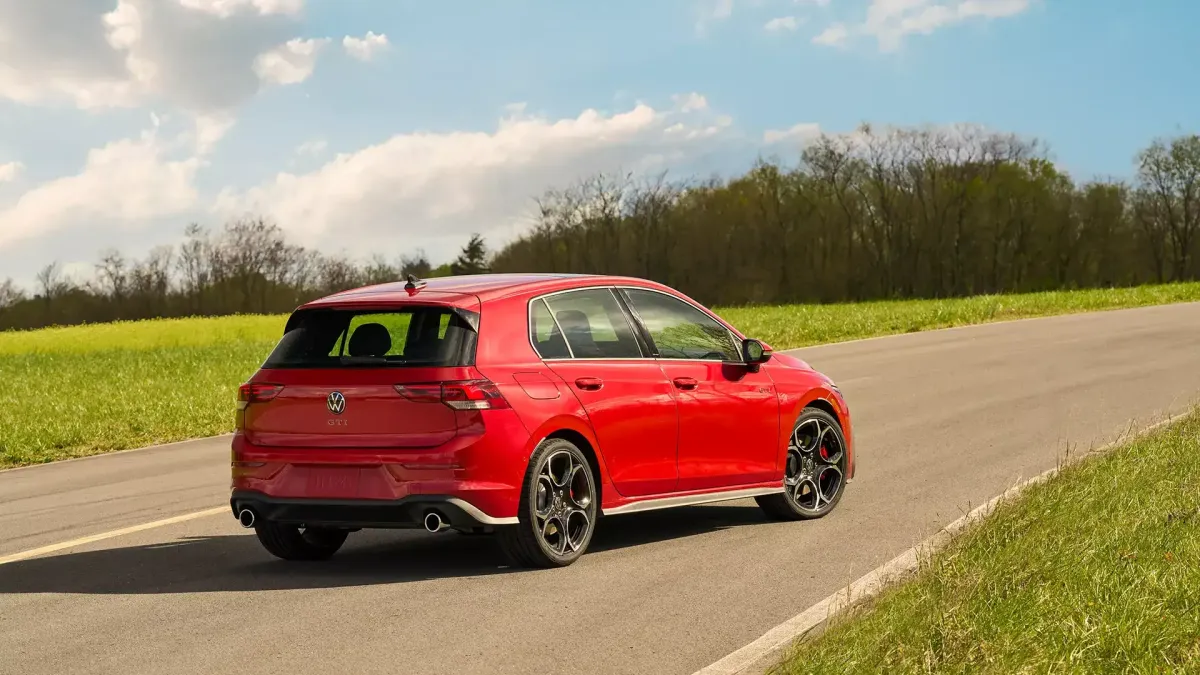 Photo: Volkswagen Golf, via di-uploads-pod21.dealerinspire.com
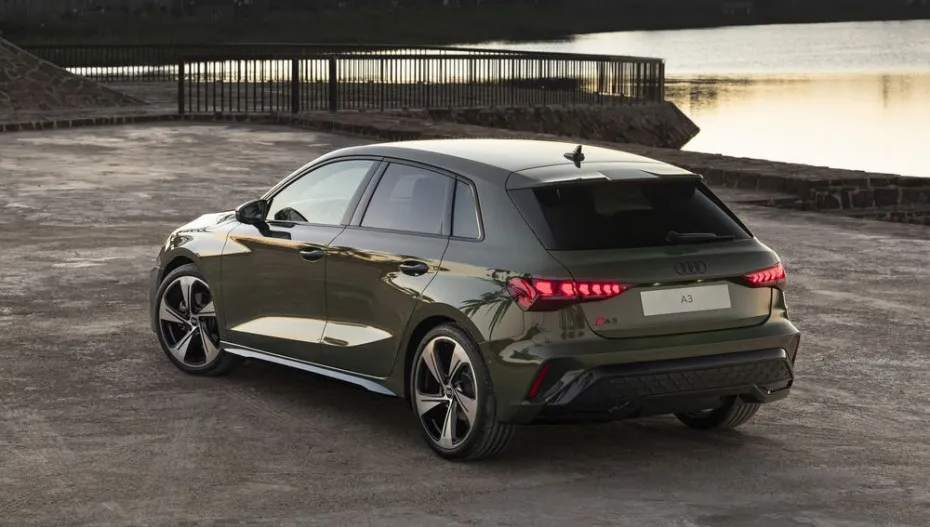 Photo: Audi A3, via www.latribuneauto.com
The A3 sedan starts around $35,000. A well-equipped Golf GTI — which uses a version of the same platform and a related engine family — starts around $31,000. The GTI is, by most automotive journalist accounts, the more engaging driver's car. The A3 is the more prestigious one. Whether that distinction is worth the price difference depends entirely on what you're actually buying.
Luxury Badges That Have Lost the Most Ground
Cadillac spent much of the 2000s and 2010s rebuilding its reputation after years of being seen as a brand coasting on its name. The current Cadillac lineup represents a genuine improvement in design and technology — but the platform overlap with GM's mainstream brands remains significant, and the price premiums are steep.
Buick occupies a particularly interesting space. Positioned as a near-luxury brand above Chevrolet but below Cadillac, several Buick models share so much with their Chevrolet counterparts that the differences are largely cosmetic and trim-level. The Buick Envision and Chevrolet Equinox are not the same vehicle, but they're close enough that the $10,000 to $15,000 premium for the Buick deserves scrutiny.
Genesis, Hyundai's luxury division, is the counterexample worth studying. Genesis vehicles share platforms with Hyundai and Kia products, but the brand has invested heavily in genuine differentiation — unique powertrains in some models, meaningfully better interiors, and a concierge service model that's genuinely different from a mainstream Hyundai dealership. The badge sharing exists, but Genesis has done more work to earn the premium than some legacy luxury brands.
What the Badge Is Actually Worth
None of this means luxury badges are worthless. There are real differences in how luxury-branded vehicles are assembled, how their cabins are tuned for noise and vibration, how their interiors are specified, and how their ownership experience is structured. Those differences are worth something.
The problem is that buyers often assume the engineering gap is as large as the price gap — and in the modern automotive industry, it frequently isn't. When a Cadillac and a Chevrolet share the same suspension geometry and the same engine family, the $20,000 price difference is being supported by interior materials, brand perception, and a logo. That's a legitimate trade if you understand what you're buying. It's a bad trade if you believe you're getting a fundamentally different machine.
The Takeaway
Before your next luxury purchase, spend twenty minutes researching the platform underneath the badge. Automotive publications and owner forums make this information easy to find. You might discover that the premium is genuinely earned. Or you might discover that the most meaningful difference between the car you're considering and its mainstream sibling is a piece of metal on the grille — and decide accordingly.