The Resale Value Playbook Everyone Follows Was Written for a Car Market That Disappeared Years Ago
The Resale Rules Everyone Still Follows
Walk into any car buying discussion and you'll hear the same advice repeated like gospel: stick with neutral colors, avoid unusual features, choose the base engine over the performance variant. The logic seems bulletproof — mainstream choices appeal to more buyers, which means better resale value down the road.
This conventional wisdom shaped car buying decisions for decades. Automotive journalists reinforced it. Financial advisors preached it. Your dad probably told you the same thing when you bought your first car.
But these rules were written for a fundamentally different used car market — one with abundant inventory, predictable buyer preferences, and regional dealer networks that controlled most transactions. That market effectively disappeared during the pandemic, and it's not coming back.
When Boring Was Better
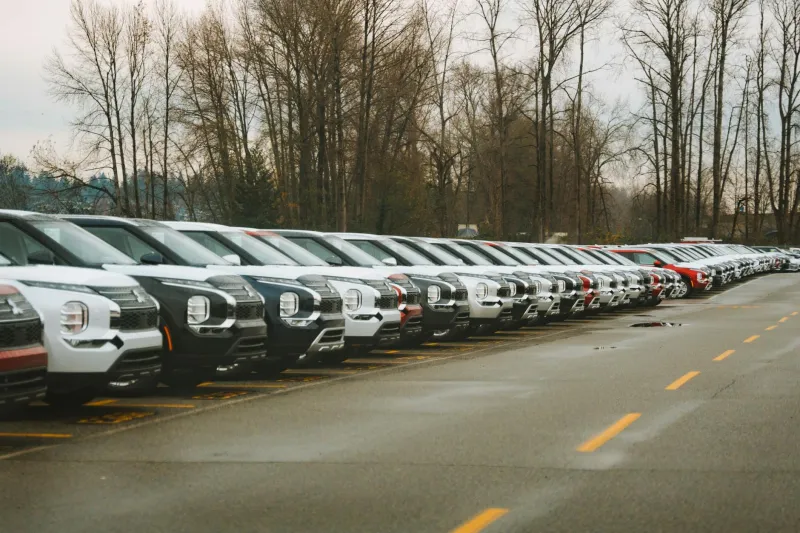
The traditional resale advice made perfect sense in the pre-2020 automotive landscape. Used car lots overflowed with inventory. Buyers could afford to be picky about colors, features, and specifications. If you didn't like the red one with the sunroof, three more silver ones without sunroofs sat on the same lot.
In that environment, unusual choices genuinely hurt resale value. A bright orange sports car might appeal to enthusiasts, but it limited your buyer pool. Dealers often discounted quirky vehicles just to move them off the lot.
The same logic applied to features. Sunroofs could leak. Manual transmissions appealed to a shrinking audience. Performance packages meant higher insurance costs and potential reliability concerns. Conservative choices minimized risk for both dealers and future buyers.
The Shortage That Changed Everything
The pandemic created the most severe automotive inventory shortage in modern history. New car production halted for months. Semiconductor shortages stretched delivery times to six months or longer. Used car prices skyrocketed as desperate buyers competed for limited inventory.
Suddenly, any running vehicle became valuable regardless of color, features, or specifications. The orange sports car that used to sit on the lot for months sold within days. Manual transmission vehicles commanded premiums from enthusiasts tired of waiting for new cars.
This wasn't a temporary blip. The shortage fundamentally altered buyer behavior and market dynamics in ways that persist today.
The New Scarcity Economics
Even as inventory levels recover, the used car market operates under different rules now. Buyers learned to compromise on preferences when choices were limited, and many discovered they actually preferred previously "undesirable" features.
Take sunroofs — once considered a resale liability due to potential leak issues. Modern sunroofs are far more reliable than previous generations, and buyers who experienced them during the shortage often specifically seek them out now. Vehicles with sunroofs frequently command premiums in today's market.
Similarly, manual transmissions have transformed from a niche preference to a premium feature. Enthusiasts pay significant premiums for manual sports cars, and even mainstream vehicles with stick shifts often sell faster and for higher prices than automatic equivalents.
Color Psychology in the Instagram Age
The "neutral colors only" rule assumed buyers prioritized broad appeal over personal expression. But social media culture has shifted preferences toward distinctive, photogenic vehicles.
Bright blues, vibrant greens, and even bold oranges now enhance rather than hurt resale value for many vehicle categories. Buyers want cars that stand out in photos and reflect personal style. The beige Camry that once represented smart resale thinking now looks dated and boring to many shoppers.
Luxury vehicles show this trend most clearly. Unique paint colors that once required expensive special orders now command premiums on the used market. A distinctive color can add thousands to resale value by making a vehicle more memorable and desirable.
The Performance Premium Reversal
Traditional wisdom suggested avoiding performance variants due to insurance costs and reliability concerns. This advice assumed buyers prioritized practicality and cost savings above driving experience.
Current market data tells a different story. Performance variants of popular vehicles often depreciate more slowly than base models. The Honda Civic Type R, Subaru WRX, and even performance trucks like the Ford Raptor consistently outperform their mainstream siblings in resale value.
 Photo: Subaru WRX, via i.pinimg.com
 Photo: Ford Raptor, via fonzon.club
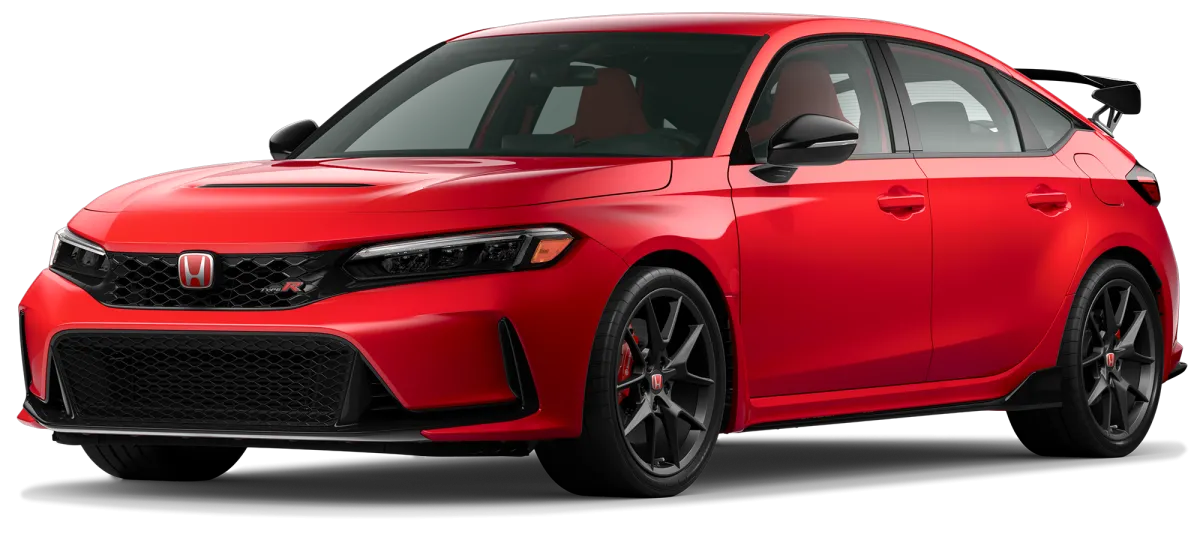 Photo: Honda Civic Type R, via images.dealer.com
This shift reflects changing buyer priorities. Many used car shoppers now specifically seek engaging driving experiences, especially as daily commuting decreases and recreational driving increases.
The Online Marketplace Revolution
Digital platforms like Carvana, CarMax, and even Facebook Marketplace have democratized used car sales. Buyers no longer depend on local dealer inventory — they can search nationwide for specific combinations of color, features, and specifications.
This expanded reach means unusual vehicles can find their ideal buyers more easily. That manual transmission sports car in bright blue might not appeal to local buyers, but it can reach enthusiasts across the country who will pay premiums for exactly that combination.
Online sales also reduce the dealer markup that traditionally penalized unique vehicles. Private party sales, facilitated by digital platforms, allow sellers to capture more of their vehicle's true market value.
The Data Disruption
Real-time market data has replaced dealer intuition in pricing used vehicles. Services like Kelley Blue Book, Edmunds, and dealer auction data provide precise valuations based on actual transaction prices rather than assumptions about buyer preferences.
This data often contradicts traditional resale wisdom. Analysis shows that certain "risky" choices actually enhance long-term value retention. The key is understanding which specific combinations of features, colors, and trim levels are currently in demand.
Regional Preferences Still Matter
While national online marketplaces have reduced regional constraints, location still influences resale value. Convertibles retain value better in sunny climates. All-wheel drive commands premiums in snow-prone regions. Understanding your local market dynamics remains important for maximizing resale value.
However, the ability to sell outside your immediate area means regional preferences are less limiting than they once were.
The New Resale Strategy
Smart car buyers now focus on future scarcity rather than current popularity. Limited production runs, unique color combinations, and features that might become rare often appreciate better than mainstream choices.
The key is identifying vehicles and specifications that will be difficult to find in 3-5 years. Special editions, manual transmissions in popular models, and distinctive but tasteful color choices often fit this criteria.
Timing the Market
The modern used car market moves faster and with more volatility than the old system. Values can shift quickly based on new model announcements, production changes, or cultural trends.
Successful buyers monitor market trends actively rather than following static rules. They understand that resale value depends more on timing and market conditions than on following decades-old conventional wisdom.
The beige sedan strategy might have worked in 2010, but today's market rewards informed risk-taking over safe conformity.