The Numbers Game Everyone's Playing Wrong
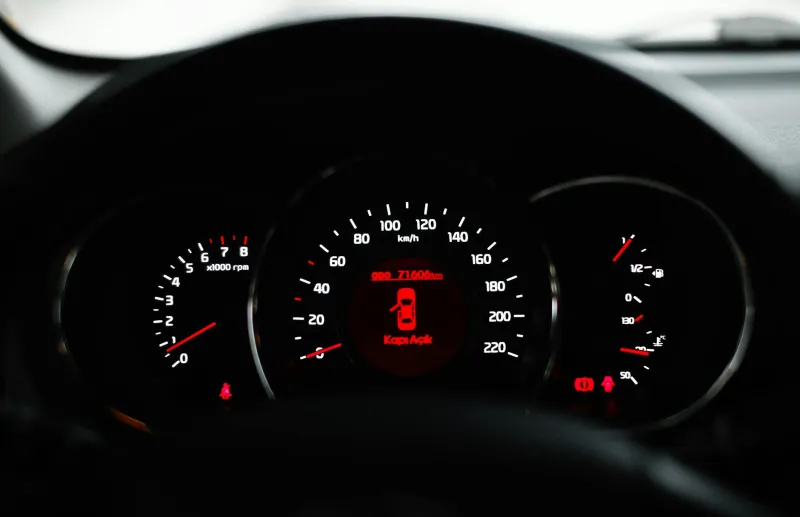
Walk into any used car lot and watch buyers in action. They'll pop the hood, kick the tires, and inevitably ask the same question: "How many miles?" When they hear the answer, you can see them doing mental math—comparing this number to some magical threshold that determines whether a car is "good" or "bad."
This obsession with odometer readings has created one of the most persistent myths in car buying: that all miles are created equal.
They're not even close.
What 50,000 Miles Actually Means
A delivery driver's Honda Civic with 80,000 miles might have less engine wear than a suburban commuter's car with 40,000 miles. The difference isn't the car—it's how those miles accumulated.
Consider two identical 2018 Toyota Camrys, both with 60,000 miles. Car A spent its life cruising interstates at steady speeds, making long trips between cities. Car B navigated stop-and-go traffic during daily 15-minute commutes to the office, with plenty of errands mixed in.
Which one aged better? It's not even a contest.
The Highway Advantage
Highway driving is like a spa day for your engine. Once warmed up, the motor settles into a comfortable rhythm. The transmission stays in high gear. The brakes get minimal use. Everything operates in its happy zone.
Engines are designed for sustained operation, not constant starting and stopping. On the highway, oil circulates properly, operating temperatures stabilize, and components experience steady, predictable stress. It's the automotive equivalent of a long, easy jog versus sprint intervals.
Most importantly, highway miles happen fast. A car that racks up 20,000 highway miles per year is actually aging more slowly than one accumulating 10,000 city miles annually, because time matters as much as distance.
City Driving: Death by a Thousand Cuts
Urban driving tortures vehicles in ways that don't show up on odometers. Every cold start dumps raw fuel into the combustion chambers before the engine reaches optimal temperature. Stop-and-go traffic means constant acceleration and braking, wearing down everything from brake pads to transmission components.
Short trips are particularly brutal. Most engine wear happens in the first few minutes after starting, when oil hasn't reached full operating temperature and metal components are still expanding to their proper tolerances. A car making five 3-mile trips per day experiences five wear cycles, while a highway car making one 15-mile trip gets just one.
The transmission suffers too. City driving means constant shifting between gears, while highway cruising keeps the transmission locked in overdrive for hours at a time. Brake systems get hammered by frequent stops, and suspension components endure countless impacts from potholes and speed bumps.
The Maintenance History Trump Card
Here's what really separates good used cars from problems waiting to happen: documentation. A well-maintained vehicle with 100,000 miles beats a neglected one with 50,000 miles every single time.
Highway drivers often understand this instinctively. People who rack up serious mileage depend on their vehicles and tend to stay current with maintenance. They change oil religiously, replace filters on schedule, and address problems before they become failures.
City drivers, especially those with short commutes, sometimes fall into the "low mileage means low maintenance" trap. They stretch oil change intervals because the car "isn't driven much," not realizing that time degrades oil as much as distance does.
Service records tell the real story. Look for consistent oil changes every 5,000-7,500 miles or six months, whichever comes first. Check for major service milestones: timing belt replacement, transmission service, coolant flushes. These indicate an owner who understood their vehicle's needs.
Climate and Storage Matter More Than You Think
A garage-kept car from Arizona will age differently than a street-parked vehicle from Minnesota, regardless of mileage. UV radiation, temperature extremes, humidity, and road salt all accelerate aging in ways that have nothing to do with the odometer.
Northern cars deal with salt corrosion that can destroy brake lines, exhaust systems, and body panels. Southern vehicles face UV damage that cracks dashboards, fades paint, and degrades rubber seals. Neither of these factors shows up in mileage calculations.
Storage matters enormously. Cars left outside experience daily temperature cycling that expands and contracts every component. Garage-kept vehicles age more slowly, even if driven the same number of miles.
How to Actually Evaluate a Used Car
Start with the story, not the number. How was the car used? Ask about typical trips, maintenance habits, and storage conditions. A honest seller will happily explain their driving patterns.
Look for wear patterns that match the claimed usage. Highway cars show even tire wear and minimal brake wear. City cars might have more wear on the driver's seat bolster (from frequent entry/exit) and accelerated brake component wear.
Inspect maintenance records carefully. Consistent care matters more than low mileage. A car with 80,000 documented miles and complete service records beats a 40,000-mile mystery car every time.
Consider the age-to-mileage ratio. A 5-year-old car with 30,000 miles averaged just 6,000 miles per year—lots of short trips and cold starts. A 3-year-old car with 60,000 miles averaged 20,000 per year, likely including substantial highway use.
The Bottom Line
Odometer readings matter, but they're just one piece of the puzzle. Understanding how those miles accumulated, how well the car was maintained, and what conditions it faced tells a much more complete story.
The next time you're shopping for a used car, don't let mileage be your first filter. Instead, look for vehicles with clear maintenance histories, appropriate wear patterns, and honest explanations of how they were used.
Sometimes the "high mileage" car everyone else passed over is actually the best deal on the lot.