VIN Etching at the Dealership Is Security Theater That Only Protects One Thing — Their Bottom Line

The Pitch That Sounds Too Good to Question
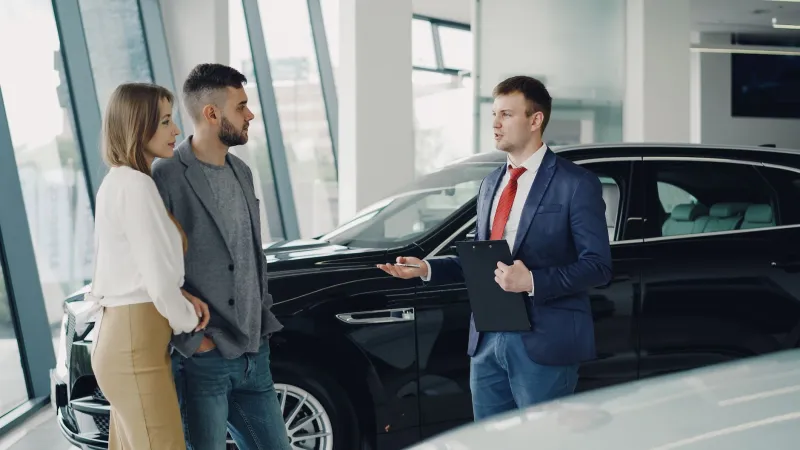
You're sitting in the finance office, paperwork scattered across the desk, when the manager slides over another form. "Just one more thing," they say with a reassuring smile. "Window etching service. We'll etch your VIN number into all the windows for theft protection. Some insurance companies even give discounts for it. It's only $199."
Most buyers nod along. After all, you're already spending thousands on a car — what's another couple hundred for security? The logic seems sound: marked windows make your car harder to steal and resell. Insurance companies reward smart security choices. Everyone wins, right?
Not exactly.
What Modern Car Thieves Actually Want
The VIN etching pitch relies on an outdated picture of auto theft. Decades ago, car thieves operated like chop shops in movies — stealing entire vehicles, changing identification numbers, and reselling them as legitimate cars. In that world, etched VINs on windows created a real deterrent.
Today's car theft landscape looks completely different. Professional thieves aren't interested in your whole vehicle. They want specific parts: catalytic converters, airbags, headlights, and electronics. These components are valuable, untraceable, and much easier to move than an entire car.
The thieves who do steal complete vehicles typically fall into two categories: joyriders who abandon cars within hours, and organized criminals shipping vehicles overseas where VIN etching becomes irrelevant. Neither group is deterred by etched windows.
According to the National Insurance Crime Bureau, most stolen vehicles today are either recovered quickly (meaning the thief never intended to keep them) or disappear into export markets where domestic VIN tracking doesn't apply.
 Photo: National Insurance Crime Bureau, via www.pascalchour.fr
The Insurance Discount That Isn't Universal
Dealerships love to mention insurance discounts, but they're usually vague about the details. There's a reason for that vagueness: most major insurance companies don't offer meaningful discounts for VIN etching.
State Farm, Geico, and Progressive — three of the largest auto insurers in America — don't provide specific VIN etching discounts. Some companies might offer small anti-theft device discounts, but these typically apply to comprehensive systems like alarms or tracking devices, not window etching.
 Photo: State Farm, via i.pinimg.com
Even when discounts exist, they're often minimal — maybe 2-5% off your comprehensive coverage. On a typical policy, that translates to perhaps $10-20 annually. You'd need a decade or more to break even on that $199 upfront cost.
The Real Economics of Window Etching
Here's where the numbers get interesting. That $199 service costs the dealership roughly $3-8 to perform. A technician with a $20 etching kit can mark all windows in about ten minutes. The profit margin approaches 95%.
Dealerships have turned this into a nearly pure-profit add-on by positioning it as a security necessity rather than what it actually is: an optional cosmetic service with questionable practical value.
Some dealers make VIN etching sound mandatory, bundling it with other services or presenting it as required for warranty coverage. This isn't true — no manufacturer requires VIN etching for warranty validity.
Why This Myth Persists
The VIN etching upsell succeeds because it taps into legitimate concerns about car security while buyers are already in a spending mindset. After negotiating the price of a $30,000 vehicle, a $199 add-on feels insignificant.
Dealerships also benefit from timing. These add-ons are typically presented in the finance office, after you've already committed to the purchase. You're mentally checked out, focused on finalizing paperwork, and less likely to scrutinize each additional charge.
The security theater aspect helps too. VIN etching feels like you're doing something proactive to protect your investment, even if that protection doesn't align with how car theft actually works today.
What Actually Protects Your Vehicle
If you're genuinely concerned about theft protection, your money is better spent elsewhere. A quality car alarm system, steering wheel lock, or parking in well-lit areas provides more real-world security than etched windows.
For maximum protection, consider comprehensive insurance coverage that includes theft protection. The monthly cost difference is often less than what you'd pay upfront for VIN etching, and the coverage actually pays out when theft occurs.
Modern anti-theft technology like immobilizers and GPS tracking systems offer substantially more protection than window etching, and many vehicles come with these features standard.
The Bottom Line
VIN etching isn't necessarily harmful — it's just unnecessary for most drivers. If you want the service for personal peace of mind and understand you're paying a significant markup for minimal practical benefit, that's a valid choice.
But don't let dealerships present it as essential security or guaranteed insurance savings. In today's automotive landscape, this decades-old solution is primarily solving one problem: how to generate high-margin revenue from add-on services.
Next time you're in that finance office and the VIN etching pitch begins, remember that the most effective theft deterrent is often the simplest one: parking smart and staying aware of your surroundings.